
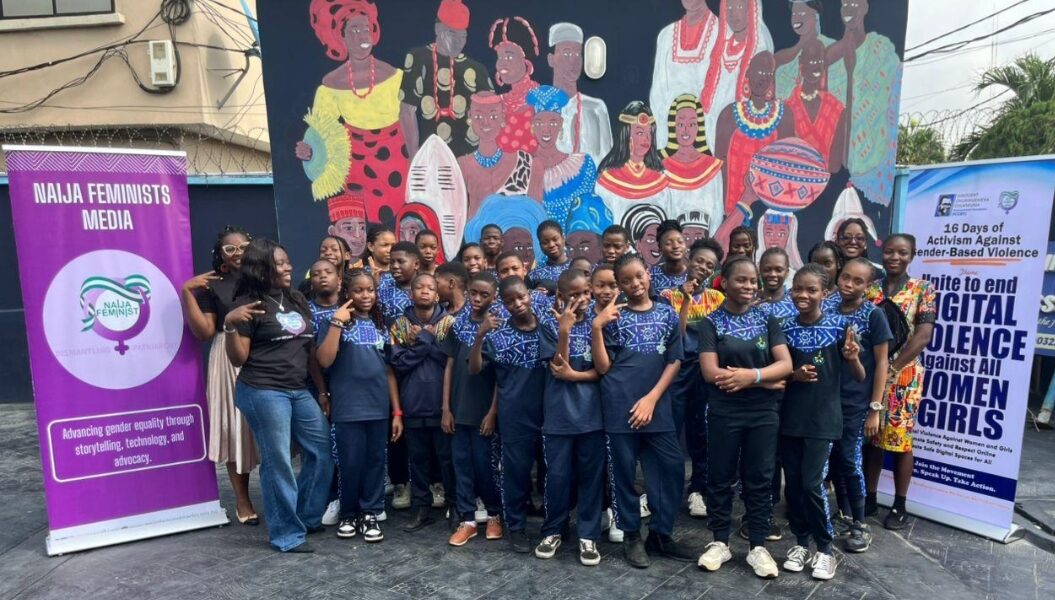
Sixteen women human rights defenders, including women with disabilities, have received training on digital safety and social media security as concerns grow over the risks facing women who use online platforms for advocacy and public engagement.
The training, organised by Naija Feminists Media (NFM) with support from Pollicy, was held on Friday, October 16, in Ogba, Lagos.
Participants included journalists, leaders of women’s rights organisations and members of support groups drawn from NFM’s community and networks.
The programme focused on practical measures to help participants protect their online accounts, devices, communications and advocacy activities against digital threats.
According to information published by NFM, sessions covered social media security, secure browsing, internet censorship circumvention, computer hygiene and data encryption.
Participants also took part in interactive group activities designed to test their understanding of digital security practices and encourage their application in personal and organisational settings.
NFM reported that participants said the training improved their knowledge of digital safety and increased their confidence in engaging in online activism. Some described it as their first formal introduction to social media security.
The inclusion of women with disabilities also highlighted the importance of making digital protection knowledge accessible to women with different needs and experiences.
Online platforms have become important tools for women human rights defenders to document abuses, share information, mobilise communities and campaign for policy change. However, unsafe digital practices can expose sensitive information, compromise accounts and put individuals or organisations at risk.
For women working on sensitive human rights issues, a compromised account or the unauthorised disclosure of private communications can have consequences beyond the loss of access to a digital platform.
Practical security measures include using unique passwords, enabling multi-factor authentication, reviewing account recovery options, updating devices and applications, and exercising caution with suspicious links and unexpected requests for personal information.
Organisations handling sensitive information also need clear procedures for storing records, controlling access to files and responding to suspected security breaches.
The training forms part of NFM’s efforts to strengthen digital safety knowledge among women human rights defenders, particularly those using online platforms to advance gender equality and social change.
While participants reported increased knowledge following the programme, sustained digital safety requires continued learning, accessible resources and organisational policies that help translate training into everyday practice.
The organisers’ next challenge will be to ensure that the skills acquired are maintained and shared across participants’ networks, enabling more women to participate in online advocacy while taking informed steps to protect themselves and their work.