The House of Representatives has directed relevant committees to review existing interventions against child marriage in Nigeria and recommend legislative and budgetary measures to strengthen the protection of girls within four weeks.
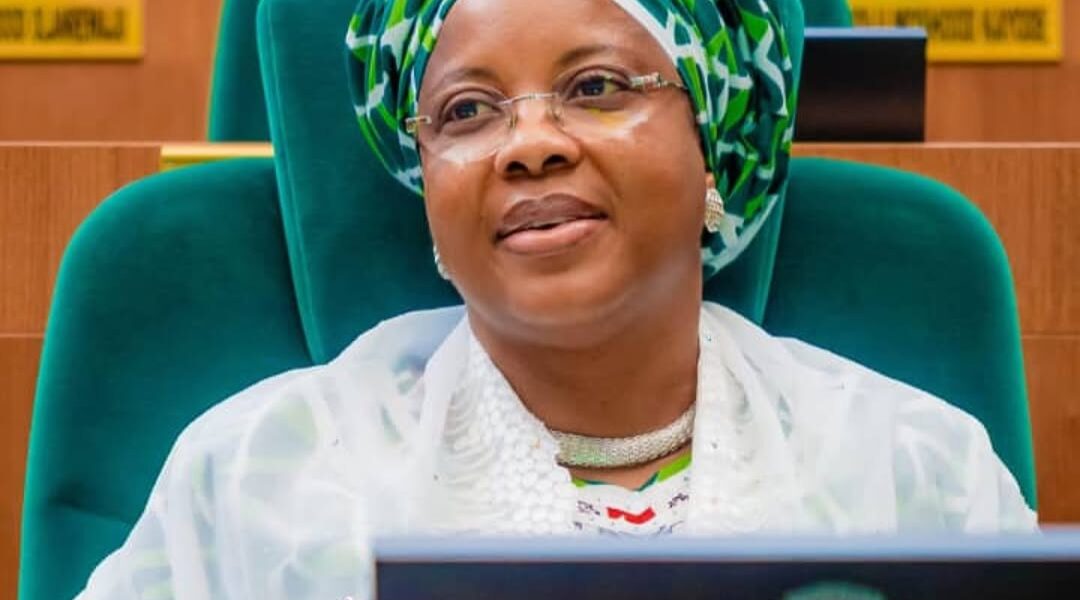
The directive followed the adoption of a motion on the International Day of the Girl Child, titled “End Child Marriage and Invest in the Girl Child,” sponsored by Khafilat Ogbara, Chairperson of the House Committee on Women Affairs and Social Development.
The committees responsible for women affairs, education, health, human rights and justice are expected to examine existing government interventions, identify gaps and submit recommendations to the House.
The lawmakers also called on the Federal Ministry of Women Affairs to work with relevant ministries and agencies to strengthen programmes aimed at preventing child marriage and protecting girls at risk.
Leading the debate on the motion, Ogbara said stronger government action was needed to address a practice that undermines girls’ rights, education, health and opportunities to participate meaningfully in national development.
The motion identified child marriage as a human rights, public health, educational and socioeconomic concern, particularly in vulnerable communities.
Early marriage can interrupt girls’ education and expose them to early pregnancy, maternal and newborn health complications, gender-based violence and economic hardship.
The lawmakers called for coordinated action involving federal, state and local governments, as well as traditional and religious leaders, parents, civil society organisations and development partners.
They also highlighted Nigeria’s obligations under international and regional child protection instruments, including the United Nations Convention on the Rights of the Child, the Convention on the Elimination of All Forms of Discrimination Against Women and the African Charter on the Rights and Welfare of the Child.
The four-week review creates an opportunity to assess whether existing policies and programmes are adequately funded, effectively implemented and reaching girls most vulnerable to early marriage.
However, the effectiveness of the exercise will depend on the recommendations produced, the legislative action that follows and the extent to which government agencies translate commitments into protection for girls.
The review also raises questions about coordination between federal and state authorities, particularly where differences in laws, implementation and enforcement affect child protection.
The committees are expected to engage relevant ministries, departments and agencies, civil society organisations and development partners as part of the assessment.
Women’s rights advocates and child protection organisations will be watching for concrete recommendations that strengthen prevention, keep girls in school and improve support for those at risk of or already affected by child marriage.
The House’s four-week deadline provides a specific point for follow-up on the recommendations and any proposed legislative or budgetary action.
ENDS