Resource provides contacts of coordinators across 36 states, FCT
The difficulty of identifying where to report gender-based violence (GBV) and obtain support remains a major challenge for survivors in Nigeria, as the Lagos State Government has published a nationwide directory of response coordinators to improve access to assistance.
The directory, released through the Lagos State Domestic and Sexual Violence Agency (DSVA), contains office addresses, telephone numbers and email contacts of GBV coordinators in the 36 states and the Federal Capital Territory (FCT).
The initiative is aimed at helping survivors of sexual and gender-based violence identify relevant authorities, report cases and access appropriate support services, regardless of their location.
The agency’s Head of Public Affairs, Onadipe Opebere, announced the publication in a statement, explaining that the resource was developed to improve coordination among institutions and stakeholders involved in preventing and responding to GBV.
According to the agency, the directory is intended to strengthen referral pathways and make it easier for individuals and organisations to connect survivors with the appropriate state-level response mechanisms.
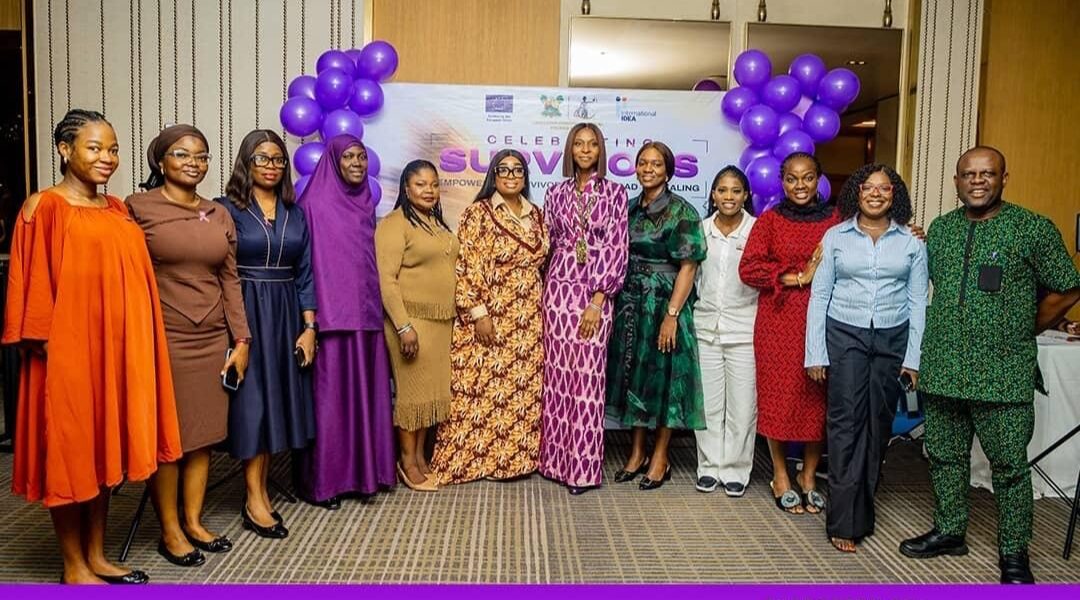
The publication followed a two-day national meeting of GBV state coordinators hosted by the Lagos State Government to promote collaboration and improve responses to gender-based violence across the country.
The meeting and the directory initiative received support from the Rule of Law and Anti-Corruption Programme (RoLAC II), funded by the European Union and implemented by the International Institute for Democracy and Electoral Assistance (International IDEA).
The agency urged government institutions, civil society organisations, community groups and members of the public to make use of the directory and circulate it within their networks to increase awareness of available reporting and support channels.
Opebere reaffirmed the agency’s commitment to strengthening partnerships and improving coordinated responses to domestic and sexual violence, with the goal of ensuring survivors receive timely and appropriate assistance.
Despite the existence of legal frameworks, including the Violence Against Persons (Prohibition) Act, 2015, access to protection and justice remains uneven across Nigeria.
Gender inequality, harmful social norms and economic dependence can also prevent survivors from reporting abuse or leaving violent relationships, particularly when they lack the financial resources to support themselves and their children.
The availability of a national directory could help reduce the information gap confronting survivors and those seeking assistance on their behalf. However, its effectiveness will depend on public awareness, the accessibility of listed contacts and the capacity of relevant state institutions to respond promptly to reported cases.
The directory therefore offers a practical resource for connecting survivors with existing response structures, while underscoring the need for sustained coordination and effective protection services across the country.