…Commission earmarks ₦2bn to support vulnerable pupils
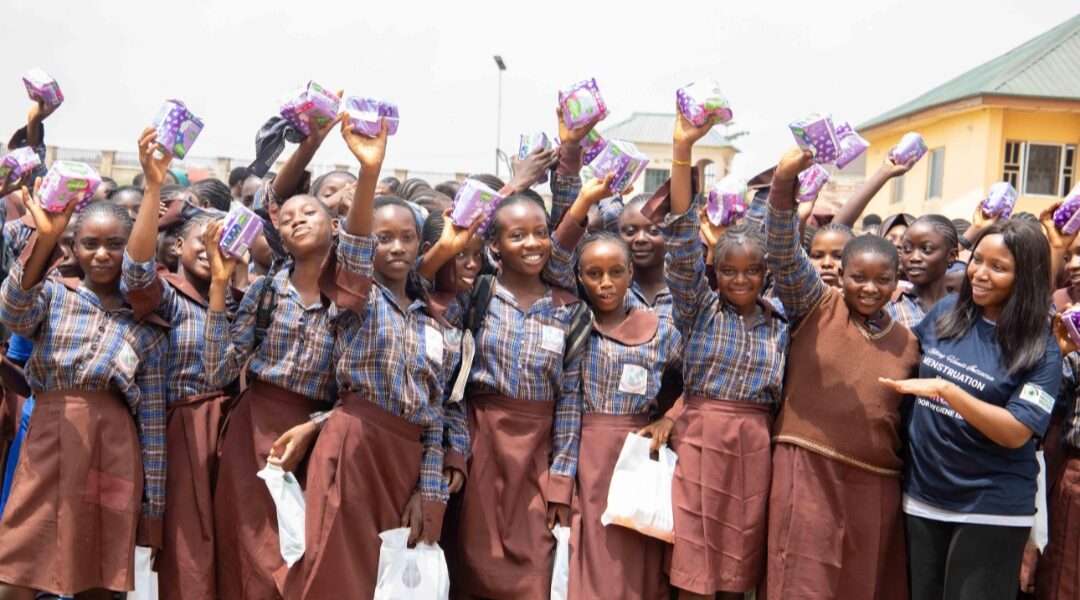
The distribution of two million packs of sanitary towels to girls in public basic education schools nationwide has renewed attention on the need to address menstrual health challenges and financial barriers affecting girls’ access to education in Nigeria.
The Universal Basic Education Commission (UBEC) said the intervention, which also includes the distribution of learning materials, is aimed at improving school attendance, retention and learning outcomes, particularly among girls from disadvantaged backgrounds.
The initiative, tagged Flow with Confidence 2.0: Keeping Every Girl in School, was flagged off by the First Lady, Senator Oluremi Tinubu, at the State House Banquet Hall, Presidential Villa, Abuja, on Monday, as part of activities marking the 2026 International Day of the Girl Child.
Under the programme, beneficiaries across the 36 states and the Federal Capital Territory are expected to receive sanitary towels, school bags, shoes, exercise books, mathematics textbooks and other writing materials.
Executive Secretary of UBEC, Dr Aisha Garba, said the programme was designed to address preventable challenges that hinder girls’ participation in education.
“Our message is clear: no girl child should have to choose between her dignity and her education,” Garba said.
She explained that the inability to afford menstrual hygiene products could contribute to school absenteeism, stressing that providing sanitary materials was part of broader efforts to ensure that girls participate fully in classroom activities.
Beyond menstrual health support, the commission plans to extend financial assistance to vulnerable learners through its Learners Retention Support Programme, which is expected to benefit 100,000 pupils in its first phase.
Under the programme, each beneficiary is expected to receive ₦20,000, bringing the total allocation to ₦2 billion. The intervention is intended to ease financial pressures on households and reduce the risk of children dropping out of school.
The sanitary towel initiative builds on an earlier programme launched by the First Lady on October 2, 2025, through which 370,000 schoolgirls in rural communities reportedly received a one-year supply of disposable sanitary pads.
However, the scale of the latest intervention raises questions about how the materials will be distributed, whether supplies will reach the most vulnerable girls and how the government will measure the programme’s impact on school attendance and retention.
For girls in low-income households, the cost of menstrual products may compound other challenges, including school-related expenses, inadequate sanitation facilities and limited access to accurate menstrual health information.
While the distribution of sanitary towels could ease some of these pressures, sustained access to menstrual products, functional toilets, clean water and appropriate disposal facilities remains important to creating a supportive learning environment for girls.
Speaking at the launch, Tinubu commended UBEC for expanding the programme and called on state first ladies, commissioners for education and chairpersons of State Universal Basic Education Boards to ensure accountability in the distribution of materials and educational support.
She also urged traditional rulers, religious leaders and other community stakeholders to help address the stigma associated with menstruation, noting the importance of enabling girls to pursue their education with dignity and confidence.
Minister of Education, Dr Tunji Alausa, described the initiative as part of efforts to widen access to education and address barriers preventing children from completing their schooling.
Garba also called on state governments, parents, teachers, traditional and religious leaders, and development partners to support transparent implementation and ensure that the interventions reach their intended beneficiaries.
She disclosed that UBEC had facilitated the construction of more than 4,000 classrooms nationwide in less than three years, alongside investments in water and sanitation facilities, learning materials, teacher development and digital technology in public schools.
The commission also reported that interventions undertaken with relevant agencies and stakeholders had helped return approximately 700,000 out-of-school children to classrooms.
Addressing the beneficiaries, Garba said: “To our beautiful daughters, your dreams matter, your voices matter, and your future deserves every opportunity we can give you.”
For the programme to achieve its stated objectives, effective monitoring, transparent beneficiary selection and sustained support from federal and state authorities will be essential to ensuring that menstrual health and household poverty do not continue to undermine girls’ education.