
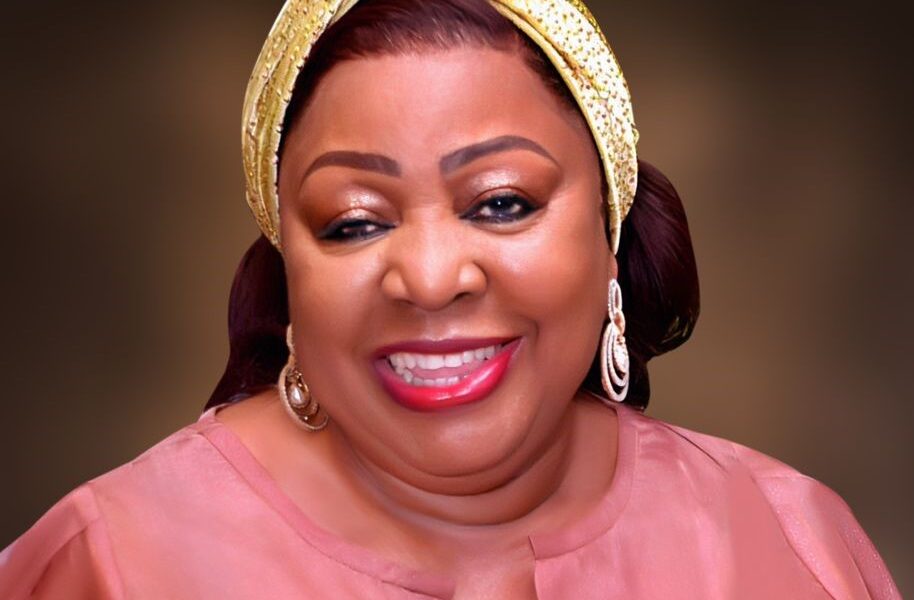
Former Senator and women’s advocate, Senator Princess Florence Ita-Giwa, has called on political parties across Nigeria to ensure deliberate inclusion of women in the selection of candidates for elective positions, warning against the continued marginalisation of women in political representation.
In a statement issued ahead of party primaries and consensus arrangements, Ita-Giwa appealed to party leaders and stakeholders to adopt fair and inclusive processes that create genuine opportunities for women to contest and emerge as candidates.
She specifically proposed that in local government areas with two constituencies, one constituency should be intentionally left open for women to contest, describing the move as a practical step toward addressing gender imbalance in politics.
“This is not about automatic allocation,” she stated, “but about ensuring women have a fair and genuine opportunity to contest and emerge.”
The former lawmaker stressed that women’s inclusion should go beyond state assemblies, urging political parties to also give serious consideration to female aspirants seeking seats in the House of Representatives and the Senate.
According to her, women must no longer be treated as an afterthought during political negotiations or consensus arrangements.
“The Constitution guarantees every citizen the right to vote and be voted for. That right must be reflected in practice,” she said.
Ita-Giwa further emphasised that women are not merely voters but active stakeholders in nation-building whose voices and contributions must be adequately represented in governance.
“Women are not just voters; we are stakeholders in nation-building. It is time for deliberate inclusion, not symbolic gestures,” she declared.
She therefore urged political parties to demonstrate equity, foresight, and commitment to democratic values by prioritising women’s political participation in the forthcoming electoral processes.
Her appeal comes amid growing advocacy for increased female representation in Nigeria’s political landscape, where women remain significantly underrepresented in elective and appointive offices despite constituting nearly half of the country’s population.