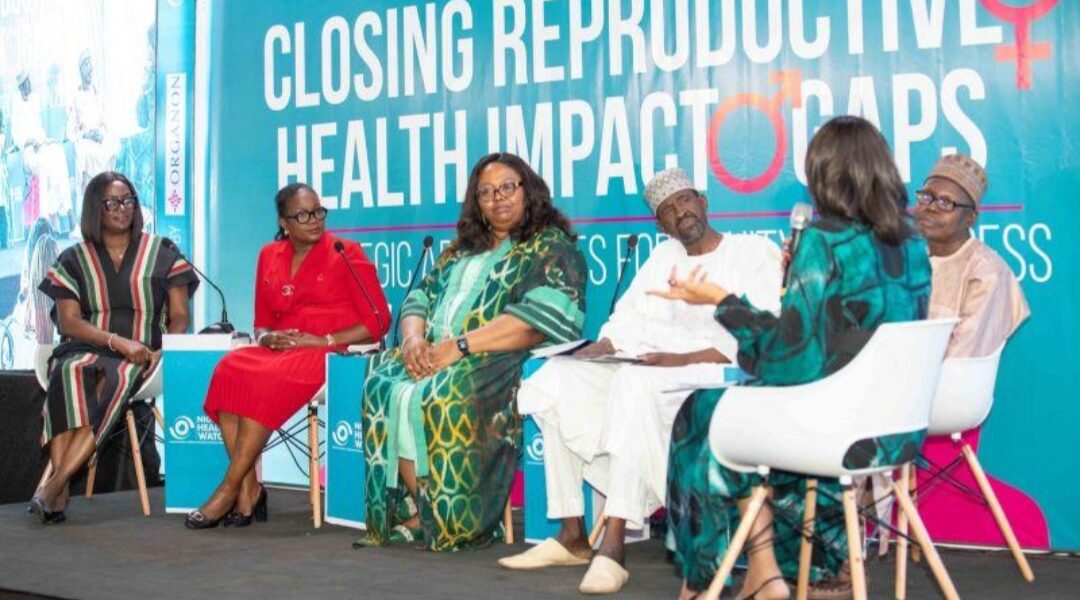
The Sexual and Reproductive Health and Rights (SRHR) Movement in Nigeria has called for stronger government action to address legal, institutional and social barriers preventing millions of women and girls from accessing essential reproductive healthcare services.
The coalition warned that despite Nigeria’s existing policy commitments to improve sexual and reproductive health, implementation gaps, discriminatory laws, harmful social practices and declining international development funding continue to undermine access to quality and affordable services.
Coordinator of the movement, Confidence Ezeala, said women, young people, persons with disabilities and people living in conflict-affected communities remained among those most exposed to barriers in accessing reproductive healthcare.
Ezeala, a lawyer and development practitioner, said Nigeria had made commitments through instruments such as the National Health Act, National Gender Policy and the Maputo Protocol, but weak implementation and accountability had limited their impact.
“Although Nigeria has progressive policy commitments — including the National Health Act, the National Gender Policy, and the Maputo Protocol — implementation and accountability remain uneven,” she said.
She added that gender inequality, harmful social norms and attempts to roll back rights-based protections were worsening the difficulties faced by vulnerable populations.
The concerns come as the movement prepares to convene its Second Annual National Sexual and Reproductive Health and Rights Conference in Abuja from November 4 to 5, bringing together civil society organisations, policymakers, development partners and other stakeholders to examine persistent gaps in reproductive healthcare.
The conference, themed “Redefining SRHR: Gender Justice, Innovation and Collective Action,” is expected to provide a platform for developing coordinated strategies to improve access to reproductive health information and services, strengthen legal protections and advance gender equality.
According to Ezeala, the gathering will address the need to move beyond fragmented interventions towards a unified national response that reflects the experiences of women, girls and other groups who face exclusion from essential healthcare.
Technical discussions are expected to focus on the implementation of Africa’s sexual and reproductive health obligations, access to healthcare in humanitarian and displacement settings, the use of technology for safety, youth-led feminist movements, justice and accountability.
The coordinator said the conference was particularly important at a time when international funding for reproductive health programmes was declining across the Global South, creating additional pressure on organisations working to protect women’s health and rights.
She called for stronger partnerships with Nigerian development organisations and private sector institutions to sustain advocacy and service delivery efforts.
“A safe and empowered population is the foundation of a strong economy,” Ezeala said, urging private sector leaders and development partners to support the initiative through sponsorships, technical contributions and participation in its Innovation Hub.
The movement, now registered as the Safe Reproductive Health and Rights Network, was established in 2019 through the Lawyers Alert Justice Initiative, with support from AmplifyChange.
It has since expanded into a coalition of more than 100 civil society organisations operating across Nigeria’s 36 states.
Over the years, the network has supported grassroots mobilisation, advocacy for improved access to reproductive healthcare, the establishment of Sexual Assault Referral Centres and legal interventions addressing sexual and gender-based violence and harmful cultural practices.
Its first national SRHR conference, held in 2024, brought together more than 50 organisations to discuss emerging challenges and identify collective approaches to advancing reproductive health and rights.
Building on that engagement, the 2026 conference is expected to strengthen collaboration among advocacy groups and policymakers while developing a more sustainable, locally driven approach to reproductive justice.
Ezeala said Lawyers Alert was providing core programme and coordination support for the conference, while participating organisations were covering their own travel and logistical expenses.
She maintained that locally led partnerships and increased private sector involvement would become increasingly important as international development assistance contracted.
For women and girls across Nigeria, however, the central challenge remains ensuring that existing laws and policy commitments translate into accessible, affordable and non-discriminatory reproductive healthcare.
The coalition’s call therefore places renewed attention on the responsibility of government to move beyond policy declarations and demonstrate measurable progress in protecting reproductive health and rights.