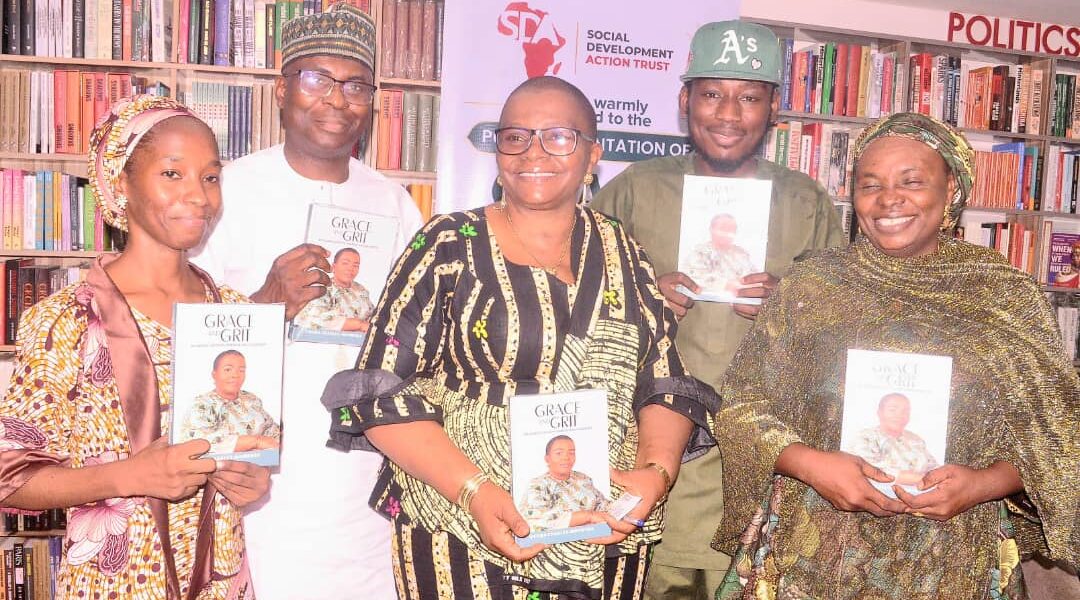
The memoir Grace & Grit by development expert, Dr Ifeoma Charles-Monwuba, has highlighted the need for stronger government action to end child marriage, improve girls’ access to safe schools and address barriers to education in Nigeria.
At the public presentation of the book in Abuja, stakeholders called on federal and state governments to strengthen the implementation of laws protecting girls from child marriage, tackle poverty and insecurity, and invest in accessible schools and adequate learning facilities.
The event, organised by the Social Development Action Trust (SDA Trust), formed part of activities marking the 2026 International Day of the Girl Child.
Speaking at the event, Charles-Monwuba urged governments to move beyond policy commitments and ensure that girls have access to safe learning environments, qualified teachers, adequate sanitation facilities and digital learning resources.
She said long distances to school, insecurity and inadequate infrastructure continued to discourage some parents from sending their daughters to school, stressing that authorities must create an environment where children can learn without fear of kidnapping and other threats.
The author also called for stronger implementation of laws protecting girls from marriage before the age of 18, urging governments to translate existing legal commitments into concrete action.
Drawing from her personal experience, Charles-Monwuba recounted how her father refused to marry her off at 16 despite financial difficulties facing his business and a proposal by his business partners to provide capital in exchange for her marriage to a member of their family.
She said her father insisted that she proceed to university, a decision that enabled her to pursue higher education and build a career in international development.
Charles-Monwuba said she wrote Grace & Grit to share lessons from her personal and professional journey and inspire young people, particularly girls who believe their backgrounds limit their opportunities.
She urged parents to support their children’s aspirations and encourage girls to pursue education and take advantage of opportunities available to them.
Also speaking, the Director of Strategy, Innovation and Impact at SDA Trust, Amina Baba-Manu, identified cultural beliefs, poverty, inadequate educational facilities and insecurity as factors contributing to child marriage.
Baba-Manu cited a community in Sokoto State where parents reportedly said the nearest senior secondary school was about two hours away on foot, raising concerns about the distance girls had to travel and their safety.
She said such challenges underscored the need for government investment in accessible schools, qualified teachers and safe learning environments.
“We have the policies. We have the laws in place. But it’s just the implementation of those policies,” she said, calling for stronger enforcement of existing commitments to girls’ education and protection.
Baba-Manu warned that early marriage could perpetuate poverty when girls leave school and subsequently face unstable marriages and additional financial responsibilities.
In his remarks, the Country Director of Plan International Nigeria, Dr Charles Usie, called on men, particularly fathers, to take greater responsibility for protecting girls’ rights and ensuring they complete their education before marriage.
Usie described Charles-Monwuba’s father as an example of how parental support could change a girl’s future, urging men to examine their role in either sustaining harmful practices or helping to end them.
“What role are you playing in the life of girls? Either your daughter, your sister, your friend, what role are you playing? Are you enabling this problem or are you part of the solution?” he asked.
He said Plan International had established fathers’ support groups in states including Sokoto and Bauchi to mobilise men to protect girls and support their education.
The International Day of the Girl Child is observed annually on October 11 to promote girls’ rights and draw attention to challenges affecting their safety, education and development.