
…Tasks women leaders on grassroots mobilisation
The Director-General (DG), Presidential Campaign Council(PCC) of the All Progressives Congress (APC) Senator Abdul’aziz Abubakar Yari, has described women as critical to electoral mobilisation ahead of the 2027 general elections, urging women leaders to strengthen their networks from the national level to communities, wards and polling units to enable victory across the nation.
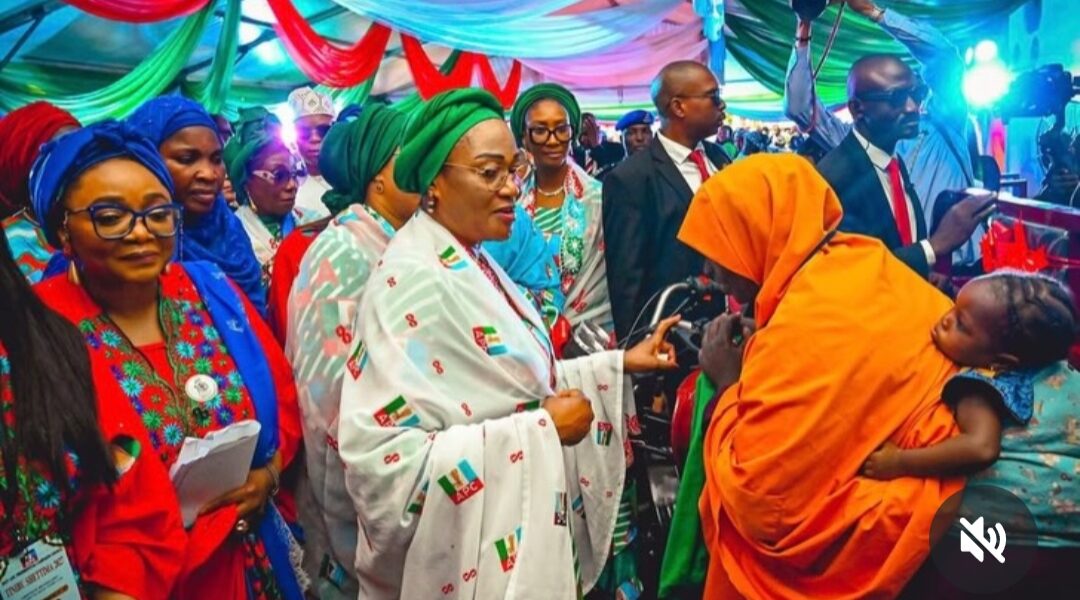
Yari spoke in Abuja at a women stakeholders’ mobilisation and empowerment summit that brought together women leaders and stakeholders from the 36 states and the Federal Capital Territory, including political leaders, lawmakers, wives of political office holders, professional groups and grassroots organisers.
He assured the women of the support of the campaign council, stressing the importance of coordinated action and a unified structure as political activities ahead of the 2027 elections intensify.
The summit placed women’s political participation, grassroots engagement and access to empowerment opportunities at the centre of discussions, with speakers calling for stronger networks capable of connecting national policies with the needs of women at community level.
Speaking at the event, the First Lady, Senator Oluremi Tinubu, urged women to return to their respective states and communicate government programmes to communities, while highlighting economic measures and interventions she said were beginning to affect Nigerians.
She said the theme, “Renewed Hope Agenda 2.0: From Reforms to Prosperity,” reflected what she described as progress under the administration, citing economic stabilisation, declining inflation, growing foreign reserves, increased support for farmers and access to student loans through the Nigerian Education Loan Fund.
“Our economy is stabilising. Inflation is coming down. Our foreign reserves are growing. Investors are returning to Nigeria,” she said.
Tinubu also urged women to use their networks to take information about government policies and programmes to families and communities, arguing that political engagement should extend beyond major rallies to the grassroots.
The APC National Women Leader, Dr Mary Alile Idele, similarly called for stronger women-to-women networks across wards, local government areas and communities.
Alile said women leaders should help connect women who need support to available government empowerment opportunities and ensure that policies translated into measurable benefits for families and communities.
“Our responsibility is to take the gains and opportunities of the Renewed Hope Agenda from policy to the people, from government programmes to homes, markets, communities and the grassroots,” she said.
She called for a shift from mobilisation rhetoric to measurable action, with clearly defined responsibilities, functional grassroots structures, regular engagement and accountability.
The Director of Women Mobilisation of the Presidential Campaign Council, Dr Betta Edu, announced a target of 40 million women’s votes for the presidential ticket in 2027, saying the mobilisation structure would extend across states, local government areas, wards, communities and polling units.
Beyond the electoral target, the discussions highlighted a wider question for women’s political participation: whether the growing mobilisation of women during election periods can translate into sustained representation, access to opportunities and greater influence in decision-making.
The summit also featured an empowerment component, with women beneficiaries receiving livelihood-support items. Organisers said the initiative was intended to strengthen women’s economic participation alongside political engagement.
As political parties begin to intensify preparations for 2027, the Abuja gathering underscored the growing attention being paid to women as political actors and grassroots organisers, while placing greater emphasis on the need for policies and programmes to reach women beyond campaign platforms.
For women stakeholders, the challenge now extends from mobilisation to ensuring that commitments on participation, empowerment and representation are reflected in communities where women experience the direct impact of government policies.