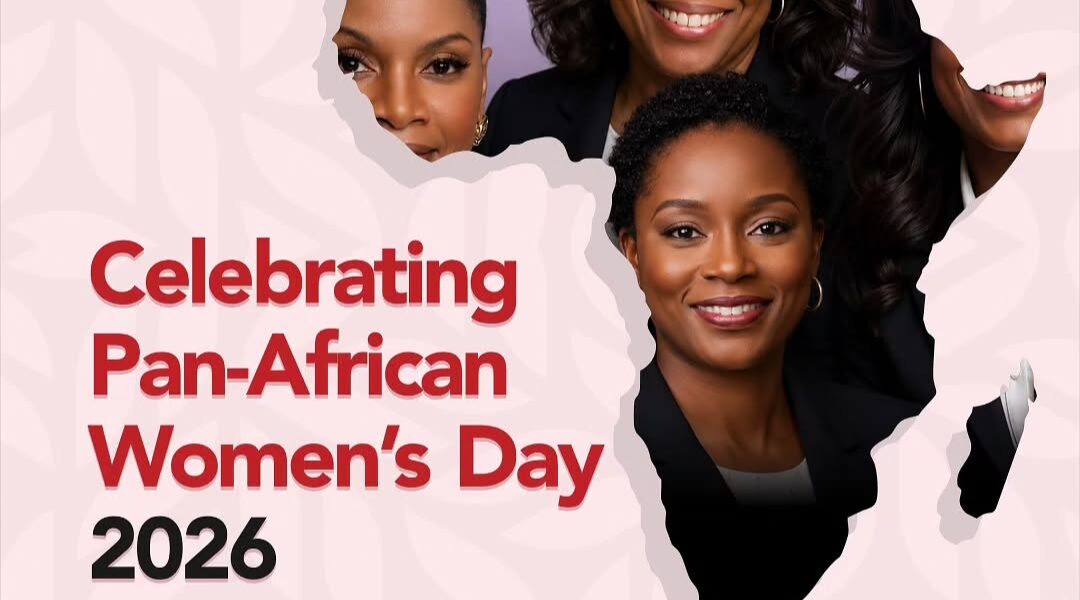
Every year on July 31, Africa pauses to celebrate Pan-African Women’s Day, also known as African Women’s Day, a day dedicated to honouring the resilience, leadership and contributions of African women to the continent’s liberation, development and transformation.
The annual observance traces its roots to July 31, 1962, when women from across the continent gathered in Dar es Salaam, Tanzania, to establish the Pan-African Women’s Organization (PAWO). The meeting marked a defining moment in Africa’s liberation movement, providing women with a continental platform to champion freedom, justice, equality and development. Today, the African Union continues to commemorate the day in recognition of African women’s role in ending colonialism and apartheid and in advancing sustainable development across the continent.
More than six decades later, African women remain at the forefront of governance, entrepreneurship, peacebuilding, science, agriculture, media and climate action. From market women driving local economies to female heads of state, innovators, journalists and grassroots activists, women continue to shape Africa’s future despite persistent barriers.
Yet the challenges remain significant.
According to UN Women, women constitute nearly half of Africa’s population but continue to face disproportionate levels of poverty, unemployment, gender-based violence and limited access to land, finance and leadership opportunities. Across Sub-Saharan Africa, women produce a substantial share of the food consumed by households, yet many still lack secure land rights and access to agricultural resources needed to maximise productivity. Gender inequality also continues to limit girls’ education and women’s economic participation, slowing progress towards inclusive development.
In politics, Africa has recorded notable gains, with countries such as Rwanda setting global records for women’s representation in parliament, while several other African nations have increased female participation in decision-making. However, many countries, including Nigeria, are still striving to achieve meaningful representation for women in elective and appointive positions.
For Nigeria, African Women’s Day is a reminder of the remarkable contributions of women who have shaped the nation’s history—from the Aba Women’s Resistance of 1929 and the activism of Funmilayo Ransome-Kuti to today’s women leading businesses, newsrooms, civil society organisations, security institutions and public service. Nigerian women continue to advocate for reforms that promote equal opportunities, including increased political representation, protection from gender-based violence and greater economic inclusion.
The celebration also presents an opportunity to reflect on the aspirations of Agenda 2063, the African Union’s blueprint for “The Africa We Want,” which recognises gender equality and women’s empowerment as essential drivers of the continent’s transformation. Achieving these aspirations requires sustained investment in girls’ education, healthcare, digital inclusion, entrepreneurship, leadership and peacebuilding.
As Africa marks another African Women’s Day, the message is clear: celebrating women must go beyond recognition. Governments, the private sector, development partners and communities must translate commitments into concrete actions that dismantle systemic barriers and expand opportunities for women and girls.
When African women thrive, families prosper, economies grow, democracies deepen and communities become more resilient.
On this African Women’s Day, Women News Today celebrates the courage, innovation and determination of African women whose everyday contributions continue to shape a more inclusive, prosperous and peaceful continent. Their stories are not only worth celebrating, they are central to Africa’s future.