The West Africa Women Association (WAWA) has commended Nigeria for the measurable progress recorded in advancing women’s participation in nation building, while calling for accelerated efforts to close persistent gender gaps in governance and public leadership.
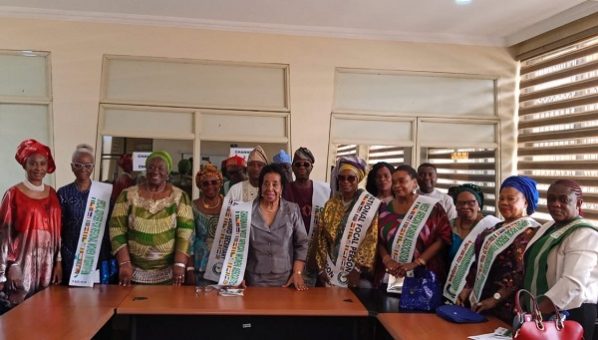
The call was made at the WAWA Africa Investiture Ceremony held on Thursday at the ECOWAS Liaison Office in Lagos, where individuals were honoured for their outstanding contributions to women’s empowerment and regional development.
Speaking at the event, WAWA’s newly appointed Grand Patron, Chief Moyosore Adewuyi, described Nigeria’s journey toward gender inclusion as encouraging, citing improved representation of women in the civil service, the judiciary, and executive appointments.
According to him, the increasing presence of women in ministerial positions and senior public service roles reflects sustained and deliberate policy choices over time. He recalled that during President Bola Ahmed Tinubu’s tenure as Governor of Lagos State, women were intentionally promoted within the civil service, noting that several teachers rose to the rank of permanent secretary.
Chief Adewuyi also pointed to the growing number of female judges in Lagos State and other parts of the country as further evidence of progress, describing the judiciary as one of the sectors where gender inclusion has gained stronger footing.
Despite these gains, WAWA noted that women remain significantly under-represented in elective and legislative offices across the country. Women currently occupy less than five per cent of seats in the National Assembly, a figure that falls far below national and international benchmarks for gender balance in political leadership.
The association stressed the need for renewed political will, stronger implementation of gender policies, and inclusive political structures that will enable more women to participate meaningfully at all levels of governance.
WAWA reaffirmed its commitment to advocating for equitable representation and empowering women across West Africa, stressing that sustained progress on gender inclusion is essential for inclusive governance, national development, and regional stability.