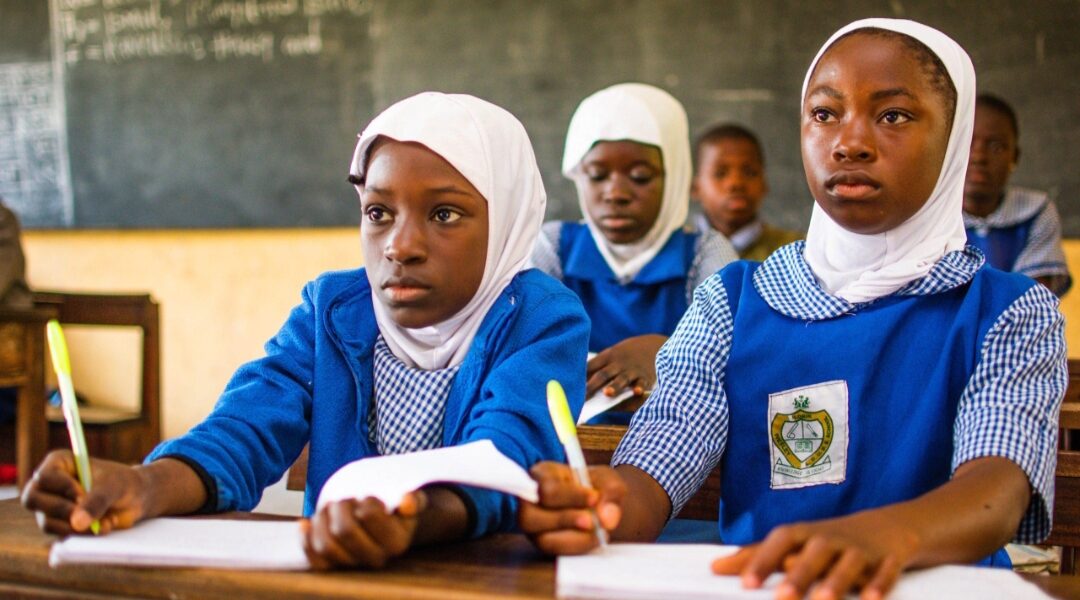
The United Nations Entity for Gender Equality and the Empowerment of Women (UN Women) has warned that deeply entrenched cultural beliefs and gender stereotypes that confine women to domestic responsibilities continue to undermine investment in girls’ education and perpetuate poverty in Nigerian communities.
The organisation urged parents, traditional rulers, religious leaders and other community stakeholders to challenge discriminatory social norms and prioritise girls’ education, warning that denying girls access to quality education limits their economic independence, leadership opportunities and contributions to national development.
The UN Women Representative to Nigeria and the Economic Community of West African States (ECOWAS), Beatrice Eyong, gave the warning at the commemoration of the 2026 International Day of the Girl Child, organised by the Nigerian Institute of International Affairs (NIIA) in partnership with the Hope and Recovery Youth Foundation in Lagos.
The event, themed, ‘Protecting Her Future: Keeping Girls in School and Ending Child Marriage,’ brought together development practitioners, education stakeholders, legal experts, civil society organisations and students to examine barriers affecting girls’ education, safety and development.
Eyong expressed concern that traditional perceptions of women’s roles, particularly the belief that girls are primarily destined for marriage and domestic responsibilities, continue to discourage families from investing adequately in their education.
She urged parents to recognise education as a fundamental right of every girl and an essential investment in the country’s social and economic development.
According to her, restricting girls’ opportunities because of cultural expectations reinforces gender inequality and denies society the contributions of women who could become professionals, entrepreneurs, policymakers and leaders.
She also called on traditional and religious leaders to use their influence to promote girls’ education, protect them from harmful practices and challenge beliefs that prevent them from reaching their potential.
The UN Women representative further highlighted the relationship between cultural and religious practices and women’s access to essential services, referencing a study conducted in Cameroon which examined how such beliefs could restrict women’s access to quality healthcare.
She maintained that addressing discriminatory norms requires sustained engagement with families, communities and institutions rather than relying solely on government policies.
Eyong reaffirmed UN Women’s commitment to advancing girls’ education and gender equality through sensitisation, advocacy and its Second Chance Education programme, which supports out-of-school children, particularly girls, in accessing learning opportunities.
She urged stakeholders to ensure that girls have equal opportunities to acquire knowledge, develop relevant skills and participate meaningfully in society.
Representing the Director-General of NIIA, Professor Eghosa Osaghae, the institute’s Director of Research, Associate Professor Joshua Bolarinwa, said the International Day of the Girl Child should serve as an opportunity to promote the rights and development of both girls and boys.
He stressed that every girl deserved access to quality education, protection from violence, equal opportunities and an environment that supported her personal development.
Bolarinwa identified child marriage as a major threat to girls’ educational advancement and urged stakeholders to strengthen awareness and enforcement of child protection laws.
He also called for a deliberate effort to challenge cultural practices that restrict girls’ rights, stressing that boys and men must be actively involved in promoting respect, equality and inclusion.
The Founder of Hope and Recovery Youth Foundation, Queen Esther Amakwe, said protecting the girl child required collective responsibility involving parents, teachers, community leaders, government institutions and young people.
She stressed that girls should not be withdrawn from school or forced into early marriage because of poverty, cultural expectations or family pressures.
Amakwe encouraged girls to believe in their abilities, pursue their aspirations and recognise that their voices and ambitions deserved to be respected.
She said communities must create an environment where girls could learn, develop their talents and make informed decisions about their futures.
Also speaking, the Head of the International Law Division at NIIA, Dr Rita Agu, examined the legal rights of the girl child in Nigeria, highlighting existing legal frameworks that guarantee access to education and protection from violence, exploitation and child marriage.
She emphasised the responsibility of parents, teachers, communities and government institutions to ensure that these rights are respected and protected.
Agu called for greater public awareness of the legal protections available to girls and stronger implementation of relevant laws to address violations.
Guidance Counsellor and Psychologist, Mrs Esther Temitope-Lawal, drew attention to the emotional and psychological wellbeing of girls, particularly during puberty.
She urged parents, teachers and caregivers to acknowledge girls’ feelings and provide appropriate guidance and support rather than dismissing their concerns.
She said creating safe environments where girls could freely express themselves was essential to their confidence, emotional development and overall wellbeing.
Similarly, Montessori Educator and Wise Counsellor, Mrs Kristine Usanga, emphasised the importance of protecting girls from all forms of abuse and exploitation.
She encouraged students to speak up whenever they experienced or witnessed abuse, while urging schools and families to provide safe channels for reporting and responding to such incidents.
The Technical Assistant to the Permanent Secretary of the Federal Ministry of Education, Mrs Callista Chibuizor-Collins, highlighted self-defence measures and available channels for reporting violence against girls.
She also discussed the government’s responsibility to promote girls’ education and the opportunities available for civil society organisations to access government funding for education-related interventions.
Adding a male perspective to the discussion, the Founder of Bappa Foundation, Aminu Bappa, said men and boys had important roles to play in ending child marriage and reducing the number of out-of-school children.
He urged boys to become advocates for their sisters’ education and challenge practices that prevent girls from completing their schooling.
“Our generation should be the generation that insists that our sister must finish school,” he said.
Students from Queen Esther International School, Corona Primary School and Home Science Association Nursery and Primary School also participated in presentations on issues affecting the girl child.
The discussions highlighted the need to address the interconnected challenges of cultural discrimination, child marriage, poverty, gender-based violence and inadequate access to quality education.
Participants called for stronger collaboration among government institutions, development partners, schools, families and community leaders to ensure that girls remain in school and have opportunities to fulfil their aspirations.
They maintained that protecting the future of the girl child requires more than public declarations, urging stakeholders to translate commitments into practical interventions that guarantee education, safety, dignity and equal opportunities for every girl.