The Women Advocates Research and Documentation Centre (WARDC Africa) and the Federation of Women Lawyers Kenya (FIDA Kenya) have called for stronger regional collaboration to address technology-facilitated violence against women and girls across Africa.
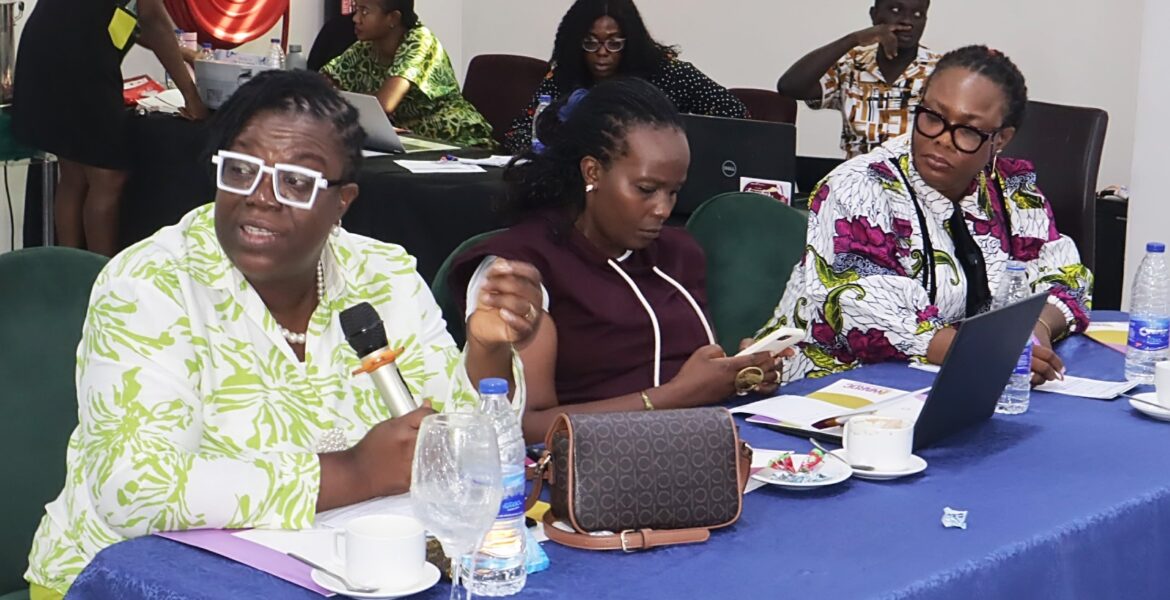
The organisations made the call as they convened stakeholders from East and West Africa in Lagos on Thursday, October 22, 2026, for a two-day Regional Convening and Knowledge Exchange on Technology-Facilitated Violence Against Women and Girls (TFVAWG).
The meeting aims to strengthen collective responses to digital violence, promote knowledge exchange and advance strategies to protect the digital rights and safety of women and girls.
The initiative comes amid growing concerns about the use of digital technologies to perpetrate harassment, intimidation and other forms of gender-based violence, with implications for women’s participation in public life and their ability to exercise their rights safely online.
According to the organisers, the convening provides a platform for stakeholders to share experiences, strengthen existing structures and develop coordinated approaches to preventing and responding to technology-facilitated violence.
The discussions are also expected to support movement-building and strengthen feminist solidarity across generations, recognising the need for sustained cooperation among women’s rights organisations and other stakeholders.
Technology-facilitated violence against women and girls encompasses forms of abuse in which digital platforms and other technologies are used to threaten, harass, intimidate or harm victims. Such abuse can include online harassment, cyberstalking, impersonation and the non-consensual sharing of intimate images.
The consequences can extend beyond digital spaces, affecting victims’ psychological well-being, personal security, livelihoods and participation in public discussions.
The organisers stressed that addressing the problem requires collective responsibility, stronger accountability and sustained regional cooperation rather than isolated interventions.
The cross-border nature of digital platforms also makes collaboration important, as abusive content can be created, circulated and accessed across national boundaries, complicating efforts to investigate incidents and secure remedies for survivors.
The convening is therefore expected to strengthen engagement among stakeholders from the two African regions and promote the exchange of knowledge and strategies for addressing emerging forms of technology-facilitated abuse.
WARDC Africa and FIDA Kenya acknowledged the support of the United Nations Trust Fund to End Violence Against Women and Girls, which is supporting the initiative.
The organisations also recognised the contributions of partners and participants working to advance a digital environment in which women and girls can express themselves, participate in public life and exercise their rights without fear of violence.
The two-day meeting is expected to contribute to wider efforts to strengthen regional solidarity and improve responses to technology-facilitated violence against women and girls.