Nigeria’s health authorities have confirmed an Ebola case in Abuja involving a woman who recently travelled from Uganda, prompting public-health efforts to identify people who may have had contact with the patient.
The Federal Government confirmed the case on Tuesday, October 20, 2026, following laboratory testing, according to reports by the Associated Press and Reuters.
The woman reportedly began showing symptoms on October 7 and was admitted to a private hospital in Abuja on October 11, where she was subsequently diagnosed with the disease.
The circumstances surrounding her arrival in Nigeria and the location where she may have contracted the virus were still being investigated at the time of reporting.
Health authorities had identified 44 contacts for tracing as part of efforts to determine whether other people may have been exposed.
Health Minister Muhammad Ali Pate said the authorities were working to contain the case through contact tracing and other public-health measures.
Authorities step up surveillance
The confirmation has drawn attention to the importance of early detection, surveillance and infection-prevention measures in responding to outbreaks of infectious diseases.
Ebola is a serious viral disease that can cause severe illness and death. Transmission generally occurs through direct contact with the blood or other bodily fluids of an infected person who is symptomatic, or through contaminated materials.
It does not spread through the air in the same manner as influenza or COVID-19.
Contact tracing is a key part of outbreak response because it helps health workers identify people who may have been exposed, assess their risk and monitor them for symptoms during the relevant period.
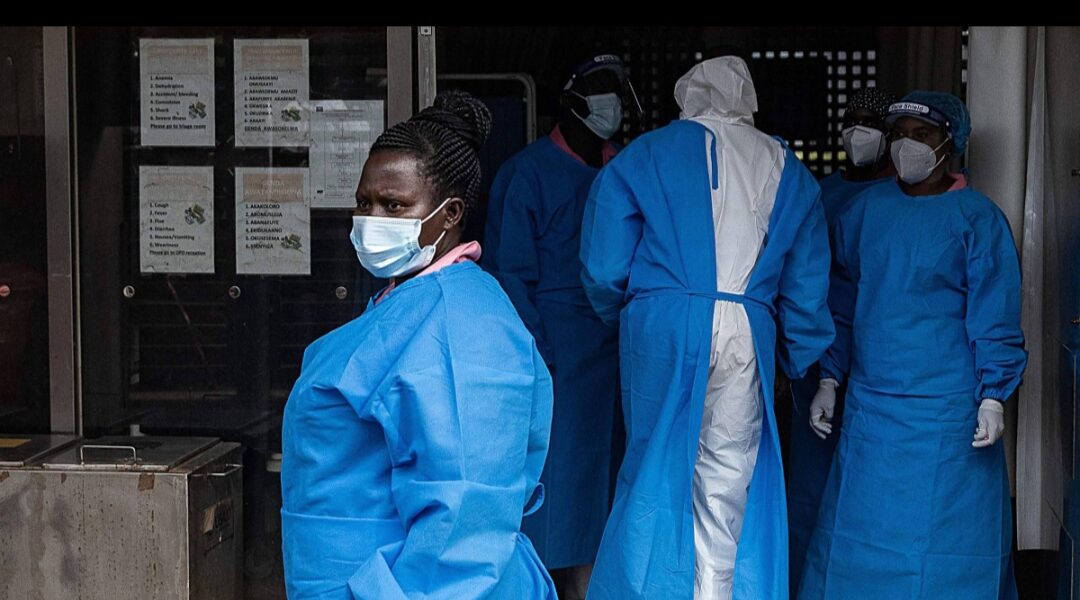
Healthcare workers are also important to outbreak containment because they may face exposure while caring for patients if adequate infection-prevention measures are not followed.
The Nigerian case comes amid an ongoing Ebola outbreak in Central Africa and reports of related infections in other countries in the region.
The precise source of the infection in the Abuja patient had not been established in the reports available at the time of publication.
Importance of accurate public-health information
The case underscores the need for timely communication from health authorities and for the public to rely on verified information rather than rumours or speculation.
People who believe they may have had contact with a suspected or confirmed case should follow instructions from public-health officials and seek medical guidance if symptoms develop.
Members of the public should avoid contact with bodily fluids of anyone suspected of having Ebola and should not attempt to handle potentially contaminated materials.
Health facilities must also follow appropriate infection-prevention procedures and report suspected cases through established public-health channels.
The patient’s sex and travel history are part of the reported circumstances of the case; they do not establish that women as a group face a greater risk of infection.
For women and families, access to accurate health information and timely medical care remains essential during public-health emergencies. Clear communication can help people understand the nature of the risk, recognise symptoms and know when and where to seek assistance.
As contact tracing continues, further updates from the Federal Ministry of Health and the Nigeria Centre for Disease Control and Prevention will be important in establishing whether additional infections have occurred and what measures may be required to prevent further transmission.
Sources:
Editorial note: This story concerns an evolving public-health situation. Verify the latest position with the Federal Ministry of Health or NCDC immediately before publication, especially the contact-tracing figures, patient’s condition and any additional confirmed cases.