
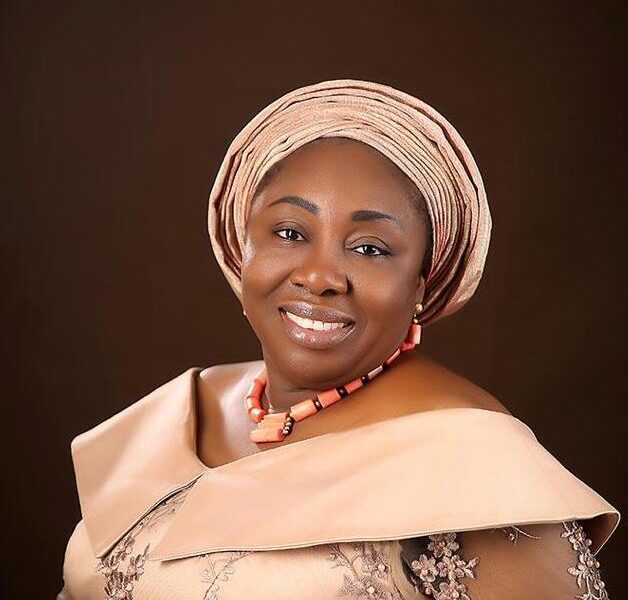
In this interview, the National President of the Women in Politics Forum (WIPF) Ebere Ifendu, called for urgent electoral reforms, including instant electronic result transmission and Special Seats legislation, to strengthen transparency, boost voter confidence, and ensure women’s equal, credible participation in Nigeria’s governance.
What is your organization’s position on the National Assembly’s refusal to approve electronic transmission of election results?
For us, electoral integrity is non-negotiable. It is not limited to election day; it begins with the processes leading up to it. The 2022 Electoral Act revealed gaps that need urgent attention. Civil society groups, legislators, and citizens demanding free and fair elections are calling for instant electronic transmission of results.
It is not a complex solution. If the law mandates instant transmission, INEC will comply. Discretion should not override transparency. Other African countries, like Ghana, are making progress in their democracies, and Nigeria must follow suit. Credible elections must be visible to the people, and women, in particular, need this reform to ensure their votes and victories are respected.
Some critics argue electronic voting can still be manipulated. What do you say?
We have to try. Online banking, digital platforms, and other electronic systems function reliably. Speculation should not prevent reform. Instant transmission will reduce litigation, curb thuggery, and ensure people’s votes count. When citizens trust the process, voter apathy drops. Courts should not be the ultimate arbiters of election outcomes; the electorate should decide.
With the National Assembly expected to hold an emergency sitting, what would you like to communicate to lawmakers?
Respect the wishes of the people. Nigeria is a democracy, and the electorate’s voice matters. Including provisions for instant transmission in the Electoral Act will encourage more people to participate, knowing that their votes truly count.
Protests advocating this reform are largely led by women. How does this issue affect women in politics?
Women are disproportionately affected. Many lack the financial resources and political clout that men often wield to navigate post-election challenges. We advocate for instant transmission so women who win legitimately at the grassroots level can have their victories recognized without relying on courts or enduring rigging and manipulation.
Beyond electoral reforms, what other challenges limit women’s political participation in Nigeria?
Internal party democracy and candidate nomination processes remain major hurdles. Women are active in parties, but they are often sidelined in the selection of candidates. Cultural and religious barriers also persist, but strong legislation can help mitigate these challenges.
The passage of the Special Seats Bill is critical. Once enacted, political parties will actively seek qualified women candidates. Comparative examples, such as Sierra Leone, show that reserved seats significantly improve women’s representation in government.
Given the legal framework now, can INEC be trusted to conduct credible elections?
If the Electoral Act is properly amended, INEC will comply with instant transmission. Concerns about network coverage are largely overstated, results can be transmitted once connectivity is available. There is no excuse for failing to ensure transparency.
The INEC has its own gender policy which has succeeded internally, with women serving as commissioners, directors, and electoral officers. This policy was a direct outcome of advocacy, and it shows the impact of sustained engagement. However, political parties must also adhere to their constitutions and manifestos to ensure that women are not excluded from meaningful participation.
Are women prepared to contest in the 2027 elections?
Yes, many women are ready. Through training, mentorship, and guidance on INEC requirements, women are being prepared to contest. However, political instability and party realignments sometimes create uncertainty, making it difficult for women to declare their intentions.
WIPF sometime launched a Women’s Political Registry to track aspirants. How functional is it today?
The registry is active and updated with women who participated in the 2023 elections and new aspirants for 2024. It is a vital tool for tracking participation and supporting women through the nomination process.
Can women also navigate party switching as men do to gain political advantage?
Party allegiance is secondary to credibility and service delivery. Voters decide who wins, not party leaders. Women’s participation should focus on policies that improve education, healthcare, maternal health, and social welfare—not simply aligning with parties for convenience.
How does the Special Seats Bill address women’s representation?
The Special Seats Bill reserves legislative seats exclusively for women. Initially proposed as 37 additional seats in the Senate, House of Representatives, and State Assemblies, the current discussions include modifications. All advocacy groups support these reserved seats to ensure meaningful participation.
This is not discriminatory, it is affirmative action designed to level the playing field and promote inclusive governance, including for women with disabilities and marginalized groups. The initiative is temporary, with a review planned after several electoral cycles.
Are women planning to occupy the National Assembly to press for the bill?
No. We are organizing an advocacy rally, not an occupation. The goal is to remind legislators of women’s expectations and to engage constructively. Support has been positive, and we view legislators as partners rather than adversaries.
Do you have male allies in this advocacy?
Absolutely. Men regularly support women’s inclusion through our radio programs and public engagements. Evidence from the COVID-19 response also shows that women in leadership contribute significantly to effective governance.
Do you view the 10th National Assembly as a threat to women’s political aspirations?
No. Engagement has been constructive. Legislators are receptive and willing to discuss the Special Seats Bill. Supporting this bill will boost their profile, and Nigerian women will celebrate their commitment.
If you could advise the National Assembly today, what three urgent reforms should they prioritize?
- Passage of the Special Seats Bill.
- Amendment of the Electoral Act, including instant transmission of results.
- Constitutional recognition of traditional institutions to strengthen grassroots governance.
Additionally, budgetary priorities should favor sectors like education, healthcare, agriculture, and women-focused ministries.
Your final words to Nigerians?
I urge Nigerians to support women’s inclusion by backing the Special Seats Bill. We are optimistic about its passage and are engaging all stakeholders, from legislators to governors, to ensure success. This will be a significant milestone in building an inclusive democracy where women are equal partners in governance.