…What this means for SRHR, SGBV in Nigeria
The Federal Government has proposed an increase in funding for the Federal Ministry of Women Affairs in the 2026 fiscal year, with the ministry’s budget rising to ₦154.32 billion, almost double its allocation in 2025, in what analysts describe as one of the most significant jumps for a social sector ministry in the new budget cycle.
Figures from the 2026 Appropriation Bill show that the Women Affairs ministry, which received an estimated ₦78.5 billion in 2025, recorded a year-on-year increase of about 97 per cent, underscoring what appears to be a renewed policy focus on women-focused interventions, social protection and gender-responsive development.
A detailed breakdown of the proposed 2026 allocation reveals a strong emphasis on programme and project funding. Of the total ₦154.32 billion, a staggering ₦150.4 billion is earmarked for capital expenditure, while ₦2.66 billion is allocated for personnel costs and ₦1.25 billion for overheads. This spending pattern suggests that the government intends to channel most of the funds into projects and interventions rather than administrative expenses.
The scale of the increase places the Ministry of Women Affairs among the MDAs with the most notable budgetary growth in the 2026 proposal, at a time when rising poverty levels, inflationary pressures and unemployment continue to disproportionately affect women and girls across the country.
The Director of the Safe Guarding Center at the University of Lagos, Dr. Abiola Akiyode-Afolabi, described the increase as a welcome development. “It’s a good development,” she said.
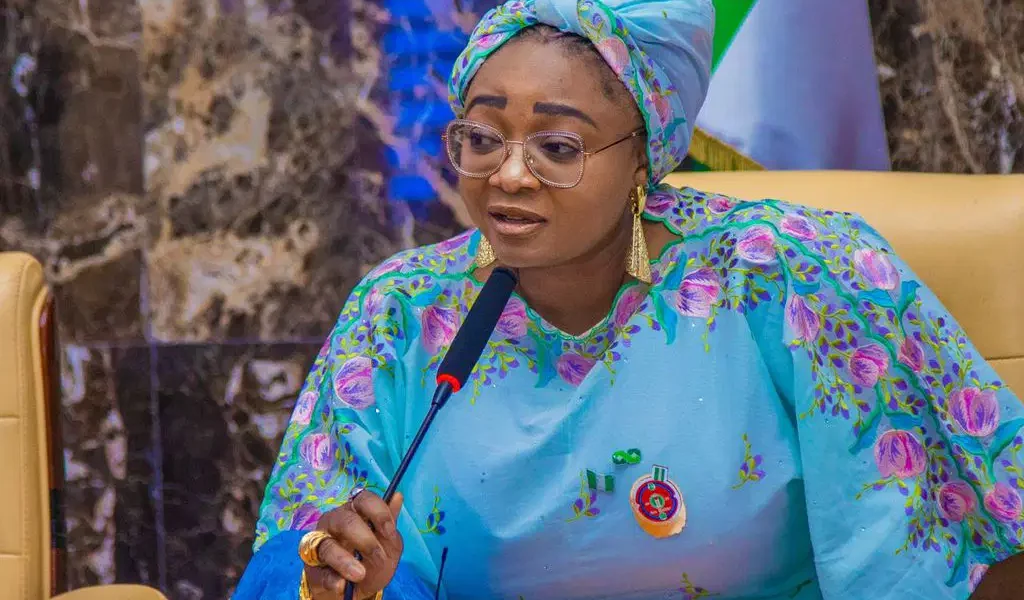
“We need to commend the current Minister for Women Affairs Imaan Sulaiman-Ibrahim for her sterling negotiation skills. The ministry has historically been at the lowest rung of the ladder. We hope this increase will translate into institutional reforms that directly impact women and girls, particularly in areas of sexual and reproductive health and protection from sexual gender-based violence,’ she added”.
Despite the optimism, experts caution that higher budget figures alone are not enough. The 2025 allocation, though significant on paper, was criticized for insufficient reach, leaving gaps in SRHR services, healthcare access, social protection, and protection for survivors of violence.
“The expanded allocation could provide fiscal backing for long-standing commitments to women’s health rights empowerment, SGBV response, and social welfare programs, but implementation is key,” said a gender policy analyst. “We have to ensure that funds reach women on the ground, especially at the grassroots level.”
The stakes are high: Nigeria continues to grapple with rising rates of SGBV, inadequate access to reproductive healthcare, early and forced marriages, and economic disenfranchisement of women. Ministries like Health, Education, and Humanitarian Affairs are critical, but the Ministry of Women Affairs holds the unique mandate to integrate gender priorities across sectors, making its funding crucial for national progress.
Civil society organizations are urging transparency in fund deployment. Questions remain about how capital expenditure will be distributed across states and programs, whether it will support health infrastructure, skills acquisition, or survivor support systems, and how progress will be monitored and reported.
Dr. Akiyode-Afolabi emphasizes that the real test of the 2026 allocation lies in accountability and outcomes, not figures. “We must see measurable impact on access to sexual and reproductive health services, protection for survivors of SGBV, and empowerment programs that reach women and girls at the community level,” she said.
As scrutiny of the budget continues, the Ministry of Women Affairs’ record allocation presents both a historic opportunity and a formidable challenge. If strategically implemented, it could mark a turning point in Nigeria’s approach to gender equality, SRHR, and the fight against SGBV. If mismanaged, it risks repeating the familiar pattern of ambitious budgets that fail to transform lives.
For women and girls across Nigeria, the hope is that this unprecedented funding leap will finally translate into concrete protections, resources, and opportunities, not just on paper, but in their daily lives.