
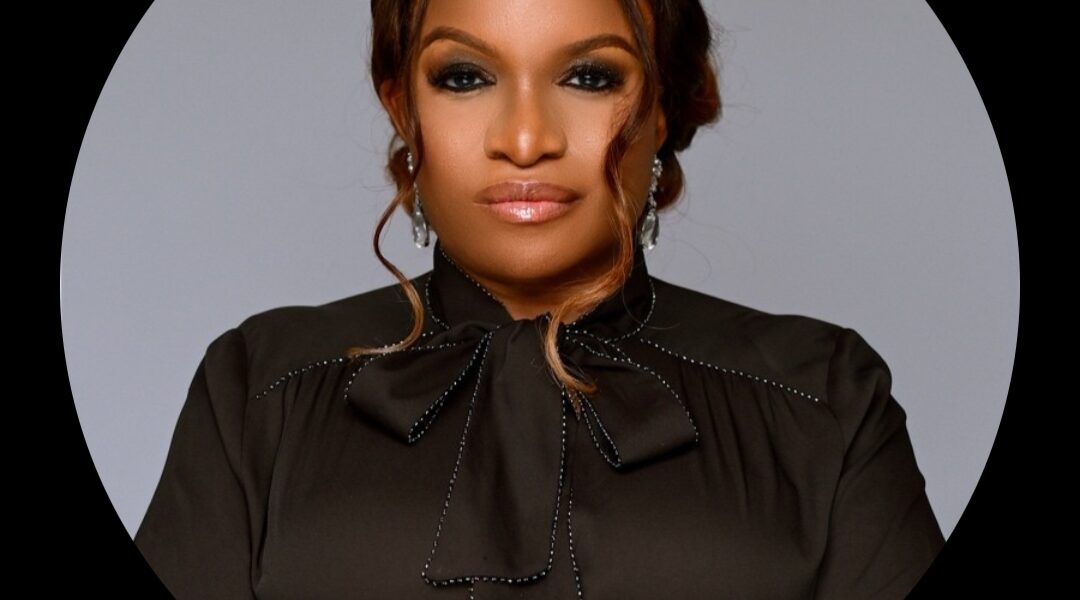
Dr Chito Umenyi Nwana, an American board-certified obstetrician and gynaecologist, has emerged as the first female National President of the Guild of Medical Directors (GMD), marking a historic milestone in Nigeria’s private healthcare sector.
Her emergence, announced in Abuja on November 10, 2026, breaks a longstanding leadership barrier within the professional association and brings renewed attention to women’s growing influence in healthcare administration, institutional leadership and medical advocacy.
With more than two decades of experience in medicine, Nwana brings to the position a combination of international medical training, clinical expertise, healthcare entrepreneurship and commitment to improving women’s health.
Her appointment comes at a critical period for Nigeria’s healthcare system, particularly the private sector, which continues to contend with rising operational costs, inadequate financing, infrastructure deficits, workforce migration and increasing demand for accessible and affordable medical services.
Born out of her commitment to improving healthcare delivery, Nwana’s professional journey has combined clinical practice with institution-building and community development.
She is the founder and Chief Executive Officer of Arabella Women’s Health and Wellness, an Abuja-based healthcare institution established around an integrated approach to women’s healthcare.
Located in Asokoro, the centre provides obstetric and gynaecological services alongside fertility support, preventive healthcare and broader wellness services.
Before establishing Arabella, she served as Medical Director of Tabitha Medical Centre, Abuja, where she contributed to specialist healthcare delivery, particularly in maternal and reproductive health.
Her academic journey began with a first degree in Psychology in Canada before she proceeded to the American University of the Caribbean School of Medicine, where she obtained her medical degree.
She subsequently completed specialist residency training in Obstetrics and Gynaecology at the University of Connecticut in the United States.
Having practised medicine in both the United States and Nigeria, Nwana has gained experience across different healthcare systems and approaches to patient management.
Her decision to contribute her expertise to Nigeria’s healthcare sector reflects her interest in strengthening maternal and reproductive healthcare and improving access to quality medical services.
Beyond hospital practice, she has maintained an interest in philanthropy, preventive healthcare and women’s empowerment.
Through her involvement with the Francis and Felicia Umenyi Foundation, where she served as Executive Director, she supported community medical outreaches, preventive health education and cancer screening awareness initiatives.
She has also used media and professional platforms to promote conversations around women’s leadership, healthcare innovation, mentorship and social development.
As host of HERcast with Dr Chito, she provides a platform for conversations with women about their professional journeys, personal experiences, leadership and contributions to society.
Her engagements have included conversations with prominent Nigerian women, including Dr Stella Okoli, founder of Emzor Pharmaceuticals.
Nwana’s emergence as head of the Guild of Medical Directors is significant beyond the symbolism of having a woman occupy the national presidency for the first time.
The Guild provides a platform for medical directors to promote professional standards, strengthen collaboration among private healthcare providers and engage policymakers on issues affecting healthcare delivery.
Her presidency therefore comes with expectations of stronger institutional advocacy and engagement with government, regulatory agencies, professional associations and development partners.
Key issues requiring attention include access to healthcare financing, modern medical equipment, workforce development, regulatory challenges, quality assurance and stronger public-private partnerships.
The sustainability of private healthcare institutions is also an important consideration, particularly as they remain part of Nigeria’s wider healthcare delivery structure.
For women in medicine, her emergence represents another opening in a professional environment where women continue to seek greater representation in strategic decision-making positions.
It also provides an opportunity to encourage younger female doctors to pursue leadership roles beyond clinical practice and contribute to shaping policies and institutions within the health sector.
As she assumes the responsibility of leading the Guild, attention will turn to how her administration translates professional experience and advocacy into collective gains for medical directors and improved healthcare delivery.
Her emergence marks a new chapter for the Guild and adds another milestone to the growing record of Nigerian women breaking barriers in professional and institutional leadership.