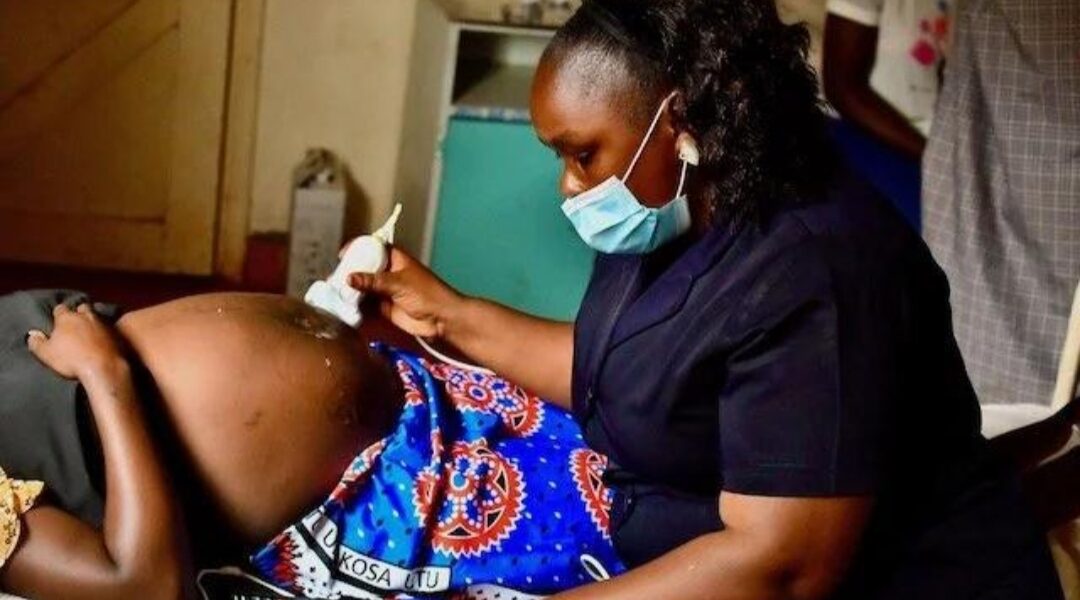
The United Nations has raised the alarm over Nigeria’s maternal mortality burden, revealing that the country accounts for at least 25 per cent of maternal deaths recorded globally.
The UN Women Country Representative to Nigeria and the Economic Community of West African States (ECOWAS), Beatrice Eyong, disclosed this at the second annual National Sexual and Reproductive Health and Rights (SRHR) Network Conference in Abuja.
Eyong said a Nigerian woman faced a lifetime risk of dying from pregnancy-related complications of one in 22, compared with approximately one in 4,000 women in developed countries.
She described the situation as a serious public health challenge requiring urgent and coordinated intervention by the government, development partners, civil society organisations and other stakeholders.
According to her, the country’s maternal mortality burden reflects persistent barriers to accessing quality reproductive healthcare, particularly among women and girls in underserved communities.
She noted that approximately eight million children were born annually in Nigeria, underscoring the large number of women exposed to potential complications associated with pregnancy and childbirth.
Eyong stressed that preventable maternal deaths should no longer be accepted as an inevitable consequence of childbirth, particularly with advances in medical technology and available healthcare interventions.
“No woman should sacrifice her life dying while giving birth. It shouldn’t happen, especially in this century, with all the technologies that we have,” she said.
She urged stakeholders to move beyond policy declarations and address the underlying social and economic factors contributing to maternal deaths.
The UN representative identified gender-related inequalities, mistreatment of women by healthcare workers, harmful social norms and limited financial empowerment as some of the factors preventing women from accessing essential health services.
She maintained that improving maternal health required more than expanding medical facilities, stressing the need to address the social conditions that determine whether women can seek and receive timely healthcare.
Meanwhile, the Minister of Health and Social Welfare, Prof. Muhammad Ali Pate, reaffirmed the Federal Government’s commitment to improving reproductive, maternal, newborn, child and adolescent health as part of efforts to strengthen the country’s healthcare system.
Pate, represented by the Director of the Health Promotion Division in the ministry, John Uruakpa, said sexual and reproductive health and rights were central to human dignity, equitable development and the achievement of universal health coverage.
He emphasised the importance of stronger collaboration among government institutions, development partners, civil society organisations and communities to improve access to reproductive healthcare.
Similarly, the Minister of Youth Development, Olawande Ayodele, said young people could not fully realise their potential or participate meaningfully in governance and economic development without access to safe and equitable sexual and reproductive health information and services.
Ayodele, represented by his Senior Special Assistant on Gender Matters, Kehinde Awujoola, described sexual and reproductive health and rights as fundamental human rights and important components of empowerment.
He stressed that access to accurate health information and appropriate services would enable young people to make informed decisions about their health and future.
Also speaking, the President of Lawyers Alert, Dr Rommy Mom, called for improved access to free legal services for women and other vulnerable groups, particularly those unable to afford legal representation.
Mom observed that economic difficulties often prevented vulnerable women from pursuing justice, despite the existence of laws designed to protect their rights.
He called for more accessible legal support to ensure that financial limitations did not prevent women from seeking redress for violations of their rights.
In her remarks, the Coordinator of the Sexual and Reproductive Health and Rights Movement in Nigeria, Confidence Ezeala, called for stronger collaboration among government, civil society organisations and development partners to address barriers limiting access to reproductive health services.
Ezeala expressed concern over growing anti-rights narratives, conflict, climate-related displacement and technology-facilitated abuse, noting that these challenges could further undermine the rights and wellbeing of women and girls.
She estimated that more than 70 million women and girls in Nigeria could be at risk of online abuse by 2027.
The conference, which focused on the theme, ‘Redefining SRHR: Gender Justice, Innovation and Collective Action’, brought together government representatives, development partners, civil society organisations and other stakeholders to examine ways of strengthening sexual and reproductive health and rights in Nigeria.
Participants called for renewed commitment to implementing existing policies, addressing inequalities and ensuring that women and girls, particularly those in vulnerable communities, could access quality healthcare and justice.