
Demand stronger protection for rape survivors, wider access to safe abortion services
The Women Advocates Research and Documentation Centre (WARDC) has called for a review of Nigeria’s restrictive abortion laws, arguing that the existing legal framework leaves women and girls vulnerable to the consequences of unsafe abortion and limits access to essential reproductive healthcare.
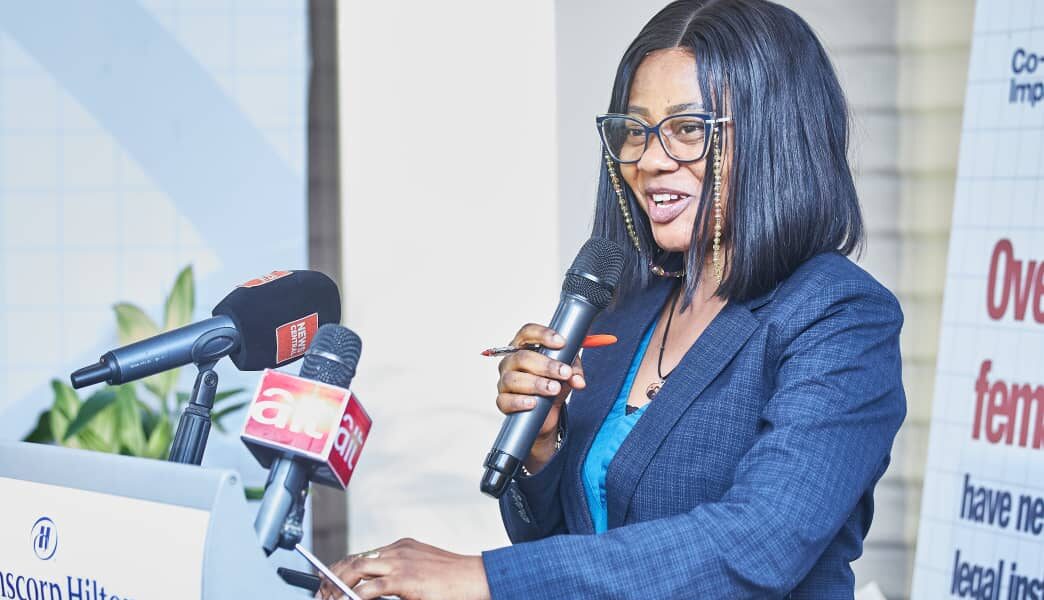
Regional Director of WARDC, Emanuella Azu, made the call during the organisation’s “Unfinished Lives” campaign, which seeks to draw attention to women and girls whose lives have been affected by unsafe abortion, restricted access to reproductive healthcare and gaps in the country’s legal protection for reproductive rights.
Azu said Nigeria’s current abortion laws had not done enough to protect the lives and reproductive health of women and girls, stressing the need for policymakers to introduce responsive laws and policies that expand access to safe abortion services.
According to her, the organisation’s position is that the legal framework should be reviewed to make abortion laws less restrictive while strengthening protections for women and girls who require reproductive healthcare.
“We are advocating for abortion laws to become less restrictive so they can protect the lives of women and girls,” Azu said.
She said the “Unfinished Lives” campaign was designed to connect the personal stories represented in the campaign’s portraits with what WARDC described as the unfinished work of legal reform.
“Today is about the unfinished business with our laws because we believe they have not fully protected the rights of women,” she said.
Azu also called for greater legal protection for survivors of rape and incest, particularly women and girls who become pregnant as a result of sexual violence.
She argued that survivors of rape should have access to safe abortion where continuing such pregnancies could cause severe psychological or other harm, warning that compelling survivors to continue pregnancies resulting from sexual assault could deepen the trauma they had already experienced.
“When a rape survivor cannot terminate such a pregnancy, it amounts to double victimisation,” she said. “Survivors could live with that trauma throughout their lives.”
The WARDC official further linked the abortion debate to Nigeria’s persistent maternal mortality concerns, identifying unsafe abortion as an important contributor to preventable deaths and calling for policies that prioritise women’s lives and access to appropriate reproductive healthcare.
Meanwhile, a senator who spoke on the broader challenges confronting maternal healthcare cautioned against assuming that changes to legislation alone would resolve Nigeria’s maternal mortality crisis.
She said women in rural communities could arrive at health facilities only to encounter midwives without the specialist support required to manage emergency complications, stressing the need to strengthen the entire healthcare system.
“Every step a woman takes, her life is safe,” she said, stressing that the health system should protect women whether they choose to terminate a pregnancy or continue it.
The lawmaker also raised concerns about the availability and quality of medicines, the capacity of hospitals to respond to emergencies and whether healthcare workers are adequately compensated.
“I don’t think we can tidy the problems of mortality by just amending the laws,” she said, arguing that Nigeria should take into account its own healthcare infrastructure rather than simply replicate reproductive-health policies from countries with substantially different systems.
She further questioned whether official maternal mortality figures fully reflect the situation in rural communities, where pregnancy- and childbirth-related deaths may go undocumented.
According to her, some women in rural communities have experienced multiple pregnancies, lost children or survived dangerous deliveries, with such experiences sometimes regarded as an ordinary part of life.
The differing but interconnected perspectives come amid renewed debate over reproductive healthcare, maternal mortality and Nigeria’s legal framework governing abortion, with advocates pushing for legal reform alongside stronger investment in the healthcare system.
WARDC maintained that reform of abortion laws should form part of broader efforts to protect women and girls from preventable deaths and ensure that reproductive healthcare is accessible, safe and responsive to their needs.