
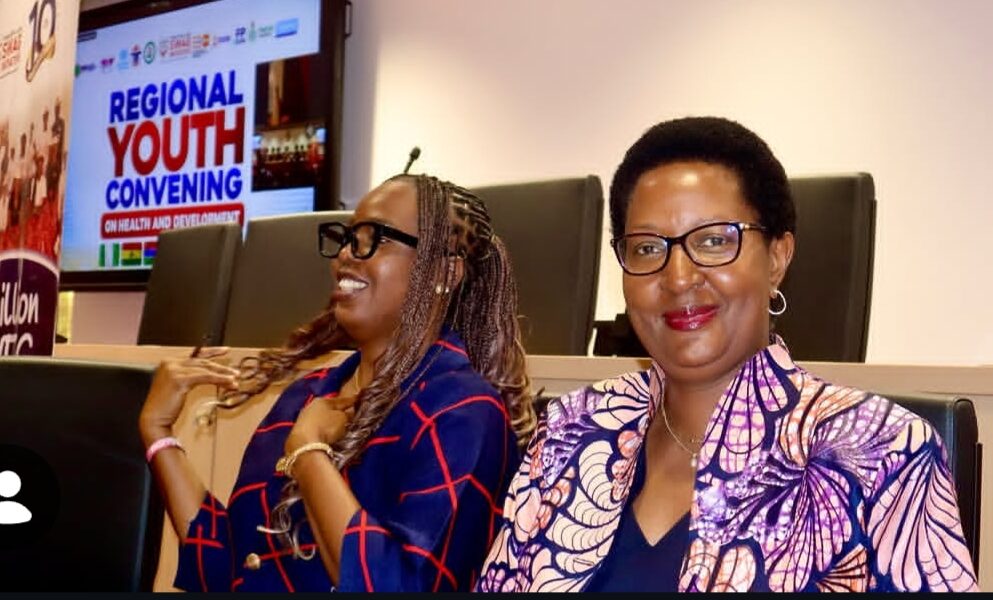
The United Nations Population Fund (UNFPA) has called for increased investment in adolescent sexual and reproductive health and rights (SRHR), warning that unequal access to information and youth-friendly health services continues to expose young people to preventable health risks.
The UNFPA Resident Representative in Nigeria, Ms. Muriel Mafico, made the call at the Regional Youth Convening on Health and Development 2026, organised in Abuja by the Stand With A Girl (SWAG) Initiative. She highlighted data showing that 15 per cent of Nigerian girls aged 15–19 have ever been pregnant.
According to Mafico, the national figure masks significant inequalities in adolescent pregnancy, with the prevalence standing at 23 per cent among girls in rural areas, compared with six per cent in urban areas. She also noted that adolescent pregnancy was reported among 29 per cent of girls from the poorest households, compared with four per cent among those from the wealthiest households.
She said the disparities demonstrate the need to address the social, economic and health-system barriers that prevent adolescents from making informed decisions about their sexual and reproductive health.
Mafico stressed that adolescent pregnancy should not be viewed solely as a social or education issue, noting that adolescent mothers aged 10–19 face higher risks of complications including eclampsia, puerperal endometritis and systemic infections. Their babies, she added, also face increased risks of low birth weight, preterm birth and severe neonatal conditions.
The UNFPA representative identified commodity shortages, inadequate trained personnel, stigma, cost, weak referral systems and lack of privacy and respectful care among the barriers confronting young people seeking health services.
She called for adolescent-responsive primary healthcare systems that integrate sexual and reproductive health, HIV services, maternal healthcare and gender-based violence response and referral, rather than relying on fragmented programmes.
Mafico also stressed the importance of ensuring that adolescents can access appropriate and confidential health information and services, while addressing harmful gender and social norms that influence contraceptive use, healthcare-seeking, marriage, exposure to violence and young people’s ability to exercise agency.
She said investment in adolescent health must go beyond individual projects to strengthen systems that can be sustained through public financing and national health infrastructure.
“For every promising youth-led intervention, we should ask from the beginning: What is its policy home? Who can eventually budget for it?” she said, stressing the need to connect evidence, policy, financing and service delivery.
The UNFPA representative further identified adolescent-responsive SRHR, maternal and emergency obstetric care, commodity security, safe digital and self-care platforms, gender-transformative community action, data and accountability systems, and youth-led innovations as priority areas for investment.
She urged young people to move beyond the role of beneficiaries and participate in defining health problems, designing solutions, generating evidence and monitoring policies and budgets affecting their lives.
Mafico also pointed to digital self-care as an emerging opportunity for improving adolescents’ access to credible SRHR information, commodities and professional support, while cautioning that such innovations must incorporate privacy, safeguarding, evidence and clear pathways into wider health systems.
She said lasting improvements in adolescent health would require a partnership involving young people, governments, regional institutions, civil society, academia, the private sector and development partners.
“For every promising solution, let us identify a policy home, an evidence pathway and an investment pathway,” Mafico said, arguing that this would help transform youth-led innovation into sustainable systems capable of delivering lasting health gains.
The Regional Youth Convening on Health and Development 2026 was held in Abuja from September 16 to 17, bringing together young leaders and stakeholders from across West and Central Africa to discuss health, development, policy and investment.