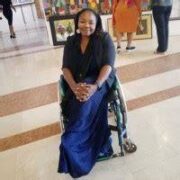
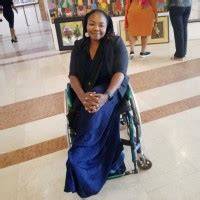
The National Commission for Persons with Disabilities (NCPWD) has called for the promotion and protection of the rights of women with disabilities, pledging to ensure improved access to healthcare services, particularly sexual and reproductive health care, while highlighting the persistent barriers they face in accessing such services.
The Executive Secretary of the Commission, Dr. Ayuba Gufwan, made the call in Abuja during a policy dialogue on disability inclusion organised by Empower to Thrive Development Initiative (ETTDI).
Represented by Mrs. Patience Ogolo-Dickson, Head of the Gender Unit at the Commission, Gufwan reaffirmed the Commission’s commitment to ensuring that women with disabilities have improved access to healthcare, especially sexual and reproductive health services, despite ongoing systemic challenges.
Ogolo-Dickson emphasised the need for inclusive policies, improved accessibility of health facilities, and strict enforcement of existing legal frameworks. She disclosed that the Commission is actively collaborating with the Federal Ministry of Health and other relevant agencies to promote disability-inclusive health services.
“This includes training health workers, reviewing facility accessibility, and advocating for adequate budgetary allocations to support women with disabilities. A key focus is ensuring that health services are affordable or free, particularly for women with disabilities who have no income or health insurance coverage,” she said.
She applauded the Federal Ministry of Health for drafting the Sexual and Reproductive Health Policy for Persons with Disabilities but stressed that robust implementation remains a critical gap.
“Policies exist, but unless they are enforced and health facilities become accessible, women with disabilities will continue to be excluded,” she added.
Ogolo-Dickson identified the inaccessibility of health facilities, discriminatory practices within the health system, particularly regarding abortion care, and gaps in policy implementation as major challenges undermining the health rights of women with disabilities.
She also highlighted the importance of compliance with the Safe Termination of Pregnancy (STOP) Guidelines, stressing that government enforcement is essential to protect the reproductive rights of women with disabilities. She noted that the Commission’s role includes ensuring that health institutions comply with the law by training staff, modifying facilities, and issuing compliance certificates only when legal standards are met.
Despite progress made, she acknowledged that awareness and implementation remain limited.
“We are working to engage institutions, raise awareness, and push for effective funding so that women with disabilities can access the full spectrum of sexual and reproductive health services,” she said.
She added that the Commission’s efforts reflect a broader government agenda to integrate women with disabilities into national health policies and ensure they enjoy equitable access to services. According to her, these interventions are critical not only for improved health outcomes but also for broader social inclusion and economic participation.
In his remarks, Mohammed Abba-Isa, the Senior Special Assistant (SSA) to the President on Special Needs and Equal Opportunities, stressed the urgent need to create opportunities for women with disabilities to participate fully and productively in the polity without barriers, and any form of discrimination.
Abba-Isa, also represented by Mr Lanre Oloyede, his Director of Media and Communications, stressed that it was high time Nigeria moved from policy to measurable impact, and from commitment to transformation.
Other stakeholders at the dialogue reaffirmed their commitment to advancing the rights, inclusion, and economic participation of persons with disabilities, while addressing systemic barriers that limit access to healthcare, education, finance, skills development, and economic opportunities.
Earlier in her welcome address the Programme Manager of ETTDI, Dr. Olusola Adeoye, stressed the need for coordinated policies, effective monitoring frameworks, and increased investment, emphasizing the organization’s commitment to promoting the rights and inclusion of persons with disabilities across sectors.