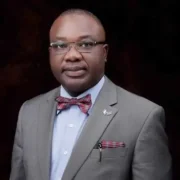

…Says justice must translate into real protection and dignity for the most vulnerableThe Executive Secretary/CEO of the National Human Rights Commission (NHRC), Dr. Tony Ojukwu, has called for a justice system that is responsive, inclusive and humane in addressing Sexual Reproductive Health Rights (SRHR) across Nigeria and the African continent.
He made this call in Abuja on Thursday while delivering a welcome address at a one-day Knowledge and Experience Sharing for Judges and Lawyers on Access to Justice, Sexual Rights and Reproductive Rights (SRHR) and Emerging African Jurisprudence, organised by the NHRC in partnership with the Women Advocates Research and Documentation Centre (WARDC).
According to him, access to justice in the context of sexual and reproductive rights goes far beyond the existence of courts and laws, as it must translate into real protection and dignity for the most vulnerable members of society. He stressed that sexual and reproductive rights are not abstract legal ideas but lived realities that define the dignity, autonomy and survival of millions of people across Africa.
Dr. Ojukwu described the gathering of judges, lawyers and human rights advocates as both a privilege and a profound responsibility, noting that the theme of the conference strikes at the very core of human dignity and the promise of the law. He said the issues under discussion represent the “silent prayers” of adolescent girls denied information about their bodies, survivors of sexual violence struggling through hostile justice systems, women denied life-saving reproductive healthcare, and members of the LGBTQ+ community seeking recognition and protection.
He noted that Nigeria and many African countries are currently at a crossroads, caught between the weight of colonial legacies, patriarchal norms and restrictive laws on one hand, and the rise of progressive judicial decisions, civil society advocacy and citizen-led movements on the other. This evolving space, he said, represents the promise of emerging African jurisprudence.
The NHRC boss challenged participants to interrogate what access to justice truly means for those facing sexual and reproductive rights violations. He raised critical questions around whether rural girls forced into child marriage can reach legal aid services, whether survivors of rape feel safe reporting cases to the police, whether people living with HIV can challenge discriminatory healthcare practices, and whether justice is affordable, accessible and psychologically safe.
“Access to justice is the bridge between a right on paper and a right in practice,” he said.
He warned that without deliberate reforms, even the most progressive laws would remain hollow promises. He emphasised the need to confront procedural barriers, strengthen legal aid systems, invest in judicial training and redesign justice institutions to serve vulnerable populations better.
Dr. Ojukwu reaffirmed that sexual and reproductive rights are an inseparable part of the broader human rights framework, encompassing the right to make decisions free from violence, coercion and discrimination. He explained that these rights include access to comprehensive sexuality education, contraception, safe abortion where legally permitted, healthy relationships and the freedom to express sexual orientation and gender identity with dignity.
He further highlighted the growing body of African-led judicial decisions that are reshaping the continent’s human rights landscape. He cited the increasing reliance on regional instruments such as the Maputo Protocol, constitutional interpretations that expand the scope of rights to life, dignity, equality and privacy, and the growing dialogue among national courts and regional human rights bodies.
According to him, emerging African jurisprudence demonstrates that African societies are not passive recipients of international law but active architects of legal norms rooted in local realities and universal human rights values. He described this jurisprudence as evidence of the courage of litigants, the creativity of lawyers and the wisdom of judges willing to deliver transformative judgments.
Dr. Ojukwu urged participants to critically examine how progressive court decisions can be implemented at the level of police stations, healthcare facilities and local communities, while also preparing for backlash and resistance that often accompany legal advancement. He called for inclusive and intersectional legal strategies that recognise multiple layers of discrimination and the role of scholars, the media and healthcare providers in sustaining legal progress.
He commended the judges, speakers and panellists for their commitment to advancing justice and encouraged participants to engage in robust debate, shared learning and solidarity. He concluded by reminding participants that they are not merely observers of history but active agents shaping the laws and lives of future generations.
He then formally declared the conference open, expressing hope that the deliberations would strengthen collective resolve to build a continent where justice is a lived reality, everybody is respected, every voice is heard, and every right is realized.