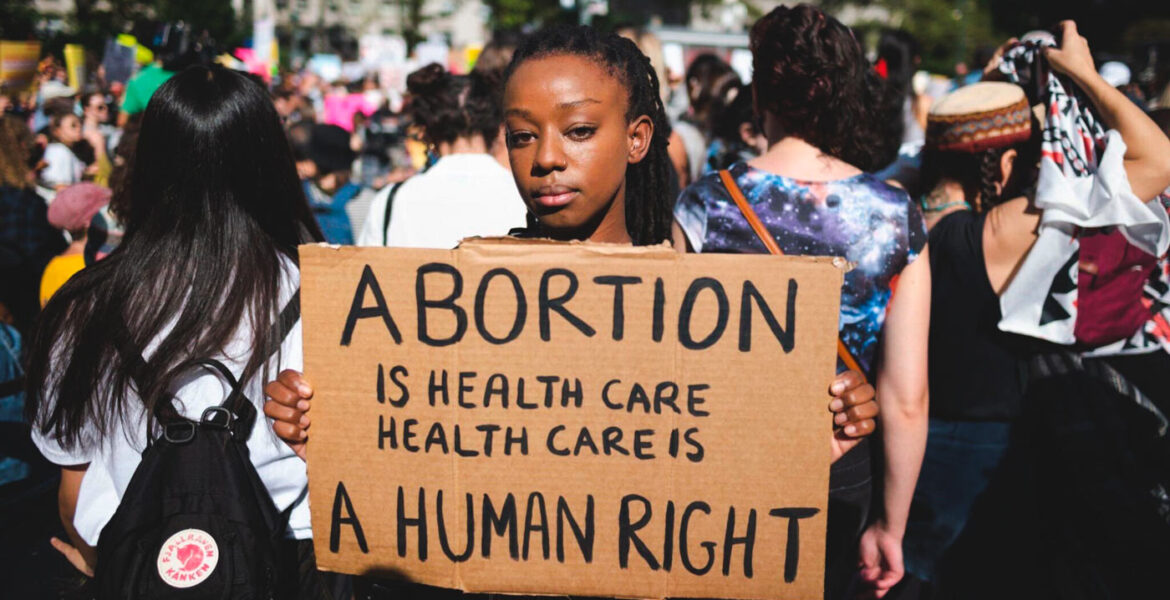
Public health specialists have again raised alarm over the growing toll of unsafe abortions on Nigerian women, stressing that restrictive policies, stigma, misinformation, and poor access to reproductive health services continue to push many women toward life-threatening procedures.
The concern was echoed throughout a three-day media training on women’s sexual and reproductive health and rights (SRHR), organised by the Ipas Nigeria Health Foundation and held in Keffi, Nasarawa State, from December 2–4. The workshop brought together journalists, advocates, and content creators to improve public awareness and strengthen media reporting on reproductive rights and maternal health.
One of the key facilitators, Talemoh Dah, Chief Executive Officer of Soteria-Afrique Rural Healthcare Initiative, explained the medical dangers associated with unsafe abortions and why they remain a leading contributor to maternal deaths in Nigeria.
According to him, the anatomy of a woman’s reproductive system makes unsafe procedures particularly dangerous. “There are major blood vessels around the uterus,” he said. “When an unskilled person inserts an instrument incorrectly, severe bleeding can occur, and a woman may die before she can access emergency care.”
He also described infections as another major pathway to preventable death.
“The vagina and bowel contain billions of bacteria. If these organisms are pushed into the bloodstream because of poor hygiene or wrong technique, infections will develop. Once it progresses to sepsis, saving the woman becomes extremely difficult,” he noted.
Beyond bleeding and infection, Mr. Dah highlighted other fatal complications, including embolism, where air, fat, or amniotic fluid enters the bloodstream and blocks vital organs, and multi-organ failure—especially of the kidneys and liver—triggered by untreated complications.
Maternal Mortality: Nigeria Accounts for 20% of Global Burden
Data presented by Ipas Nigeria paints a grim picture. Nigeria’s maternal mortality ratio has escalated from 576 deaths per 100,000 live births in 2015 to 1,047 per 100,000, making the country responsible for one in every five maternal deaths worldwide.
Unsafe abortion remains a major driver of this crisis.
The organization estimates that 1.8 million abortions occur annually in Nigeria and that nearly 60% of them are unsafe performed by untrained providers, in unsterile environments, or using dangerous methods. These procedures are linked to 13–40% of all maternal deaths recorded in the country.
A key contributor to these risks is the country’s persistently low uptake of modern contraception. Only 12% of Nigerian women use modern family-planning methods, leading to high rates of unintended pregnancies, many of which end in unsafe abortion.
Restrictive Laws Continue to Push Women to Hazardous Options
Experts at the Keffi training described Nigeria’s legal framework on abortion as a major barrier to safe care. Both the Criminal Code (South) and the Penal Code (North) criminalise abortion except when performed to save a woman’s life.
Although the Federal Ministry of Health has, in recent years, issued a technical guideline outlining health conditions under which pregnancy termination may be necessary to preserve a woman’s life, such as severe hypertension, certain cancers, life-threatening heart or kidney disease, access remains extremely limited.
Mr. Dah explained that the restrictive legal environment forces women to seek clandestine services. “Many of the women who die from unsafe abortion never had access to a trained provider,” he said. “They simply go where they can afford or where they think they won’t be judged.”
He also clarified that while health workers may decline to provide abortion care on moral or religious grounds, they remain professionally obligated to refer the patient to another qualified provider. Failure to do so, he said, puts women at further risk.
Ipas Nigeria’s data shows that even a decade ago, in 2012, an estimated 1.2 million induced abortions occurred nationwide—most of them unsafe. The numbers have only grown due to increasing unintended pregnancies, limited family-planning access, and persistent stigma around women’s reproductive choices.
Media Tasked With Changing the Narrative
Participants at the training emphasised that journalists play a crucial role in shifting public attitudes, debunking misinformation, and advocating for evidence-based policies that protect women’s lives.
The organizers stressed that accurate and sensitive reporting can help communities understand the consequences of unsafe abortion and the importance of expanding access to safe reproductive health services.